A drooping nasal tip can create an aged appearance, make your nose appear longer than it actually is, and sometimes obstruct your nostrils when smiling or speaking. At Chrisalys, we specialize in droopy tip correction to restore youthful, elevated tip position.
Dr. David N. Sayah brings over 26 years of experience to every nasal tip refinement procedure. He is a board-certified plastic surgeon and Fellow of the American College of Surgeons. His training at UCLA Medical Center, combined with his artistic background, allows him to create natural-looking results that lift and define the tip while maintaining facial harmony. Our Los Angeles and Beverly Hills practice serves patients seeking refined, elevated nasal tip position that enhances overall facial aesthetics.
Understanding Droopy Nasal Tips
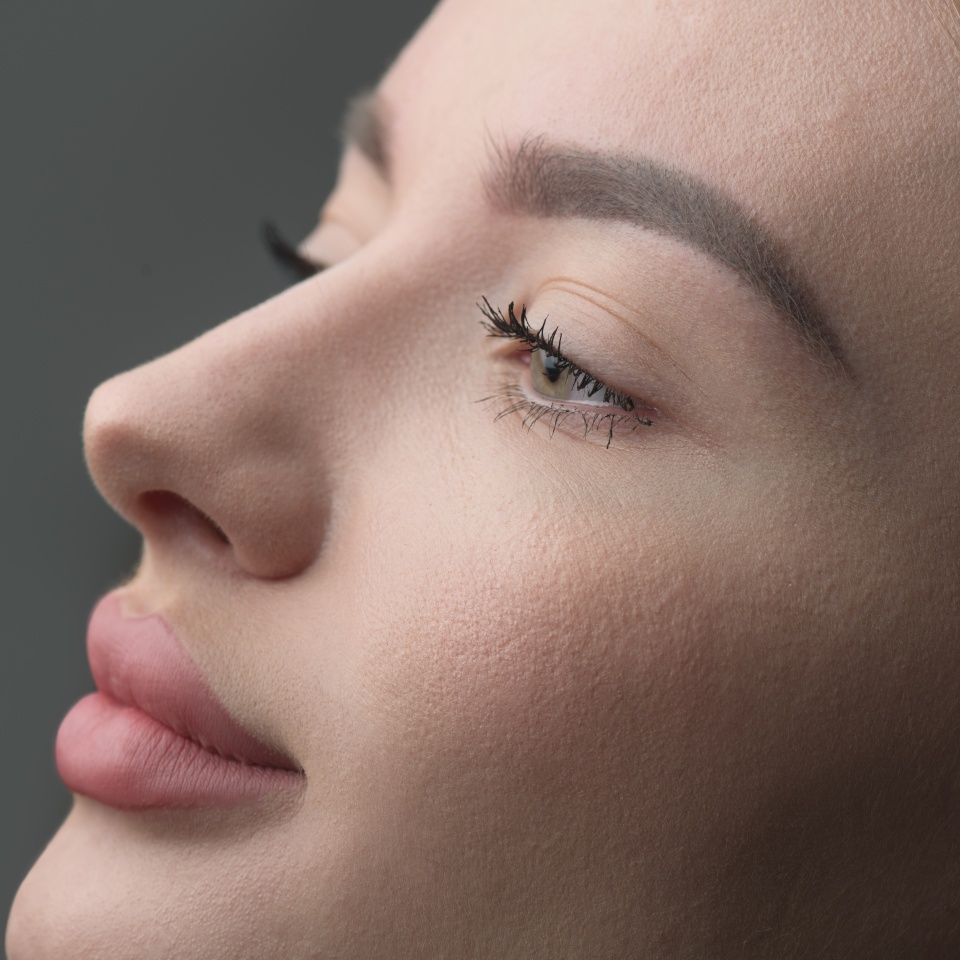
A droopy nasal tip, also called ptotic tip or falling tip, hangs downward rather than projecting at an aesthetically pleasing angle. The ideal nasal tip position varies by gender and ethnicity. Women typically benefit from slight upward rotation creating a feminine profile. Men require less rotation maintaining masculine appearance.
The condition can result from several factors. Congenital factors include naturally weak or inadequate cartilage support structures present from birth. Aging changes occur as supporting cartilages weaken over time, allowing gradual tip descent. Traumatic injury can damage support mechanisms, allowing the tip to fall. Certain ethnic characteristics naturally feature lower tip position. Previous rhinoplasty complications from overcorrection or structural weakening during surgery can cause drooping. Gravitational effects combined with loss of tissue elasticity cause progressive descent.
“Correcting a droopy tip requires understanding the underlying cause and building adequate support to maintain elevation long-term,” explains Dr. Sayah. “Simply removing cartilage or rotating the tip upward without proper structural support leads to recurrent drooping. My approach emphasizes creating stable, lasting elevation through meticulous technique and strategic grafting when needed.”
Common Concerns with Droopy Nasal Tips
Patients seek droopy tip correction to address various concerns affecting nasal appearance and facial balance throughout Los Angeles and Beverly Hills:
- Aged Appearance: Descended nasal tip creating older look affects overall impression and perceived age disproportionately, even when other facial features remain youthful.
- Profile Dissatisfaction: Downward-hanging tip disrupts the aesthetic nasolabial angle between nose and upper lip. This creates heavy profile appearance especially noticeable in photographs.
- Elongated Nose Look: Drooping tip makes the nose appear longer than it actually is. This creates imbalanced facial proportions affecting harmony with other features.
- Nostril Obstruction: Tip descent during smiling or speaking partially blocks nostrils. This affects breathing and creates functional concerns beyond aesthetic dissatisfaction.
- Nasolabial Angle Concerns: Acute angle between nose and upper lip from hanging tip creates unattractive profile, detracting from overall facial aesthetics significantly.
- Tip Heaviness: Bulky, descended tip lacking refinement and definition creates bottom-heavy nasal appearance affecting both frontal and profile views.
- Facial Imbalance: Droopy tip throws off facial proportions and harmony, creating disconnect between nasal appearance and other facial features.
Key Elements of Droopy Tip Correction
Our comprehensive approach includes:
- Structural Assessment: We determine the underlying cause of drooping and identify all weaknesses requiring correction for stable results.
- Strategic Cartilage Grafting: Using septal, ear, or rib cartilage builds internal support structures that maintain tip elevation permanently.
- Precise Tip Rotation: Elevating the tip to gender-appropriate and ethnically appropriate angle creates natural-appearing profile improvement without overdone appearance.
- Depressor Septi Release: Eliminating muscle forces pulling tip downward during smiling restores static and dynamic tip position throughout facial expressions.
- Support Grafts: Including columellar struts and septal extension grafts provides stable foundation preventing recurrent descent as tissues heal.
- Conservative Tissue Preservation: Maintaining adequate cartilage for long-term structural integrity avoids overcorrection that creates unnatural pinched or upturned appearance.
Our conservative philosophy ensures tip elevation appears natural for your facial structure. We avoid the over-rotated appearance that characterizes poor droopy tip correction.
Male vs. Female Droopy Tip Correction in Beverly Hills
Gender considerations significantly influence appropriate tip position and rotation degree during droopy tip correction.
Female Patients typically benefit from moderate tip elevation creating slightly upward-rotated tip with nasolabial angle around 95-105 degrees. We create refined tip definition with feminine softness and graceful profile enhancing overall facial attractiveness naturally.
Male Patients require different approach maintaining masculine nasal aesthetics. This includes less rotation preserving stronger profile with nasolabial angle around 90-95 degrees. We maintain adequate tip projection avoiding overly refined appearance and preserved masculine character preventing feminization of facial features.
Dr. Sayah carefully considers your gender, facial proportions, ethnic background, and personal preferences when determining ideal tip position. This ensures results appear appropriate and natural for your unique characteristics.
Recovery After Droopy Tip Surgery
Recovery from droopy tip correction follows standard rhinoplasty timeline. Tip elevation remains stable throughout healing process when proper structural support has been implemented.
- First Week: A nasal splint protects the nose and maintains tip elevation during initial healing. Swelling concentrates at tip area where surgical work was focused. Splint removal around day 7 reveals elevated tip position though swelling obscures refined contours initially.
- Weeks 2-4: Tip swelling gradually improves, allowing increasingly apparent elevation and improved profile. Most patients return to work and social activities comfortably. Avoid activities risking nasal trauma that could compromise tip position achieved.
- Months 2-6: Progressive improvement continues as tip swelling slowly resolves. Elevated position becomes clearly apparent with improved nasolabial angle visible in profile. Breathing improvement reaches maximum if functional corrections were performed simultaneously.
- Months 6-12: Final tip refinement occurs as last swelling disappears. The tip assumes its permanent elevated position with optimal definition. Results remain stable long-term when proper structural support was implemented. Profile appears balanced and youthful.
The nasal tip requires longest healing time of any nasal structure. Final definition emerges over 12-18 months as thick skin at the tip fully contracts and tip cartilages settle completely.
Maintaining Long-Term Tip Elevation
Successful droopy tip correction requires not just achieving initial elevation but maintaining that position long-term. Our use of structural grafting provides internal support that prevents recurrent drooping during healing. Scar contracture forces might otherwise pull the tip downward again.
Our conservative approach preserves adequate cartilage strength. This ensures structures do not weaken over time, allowing gradual descent. Release of depressor septi muscle eliminates dynamic forces during smiling that previously pulled tip downward repeatedly.
Most patients maintain excellent tip elevation indefinitely after proper correction. Aging affects tip position far less than in patients who never underwent correction.

Why Choose Chrisalys for Droopy Tip Correction
Dr. Sayah’s comprehensive training at UCLA Medical Center includes extensive experience with nasal tip refinement techniques and structural grafting approaches necessary for lasting droopy tip correction. His 26 years of surgical experience ensures refined technique creating natural-looking tip elevation appropriate for each patient’s gender, ethnicity, and facial proportions.
As a board-certified plastic surgeon and Fellow of the American College of Surgeons, Dr. Sayah maintains the highest standards of surgical excellence. His artistic background provides the aesthetic sensibility necessary to determine ideal tip position that enhances overall facial harmony while avoiding over-rotation or unnatural appearance.
Our fully accredited surgery center in Beverly Hills features state-of-the-art equipment and maintains rigorous safety protocols. Patients throughout Los Angeles trust us for droopy tip correction that delivers natural elevation, improved profile, and lasting results that enhance facial aesthetics.
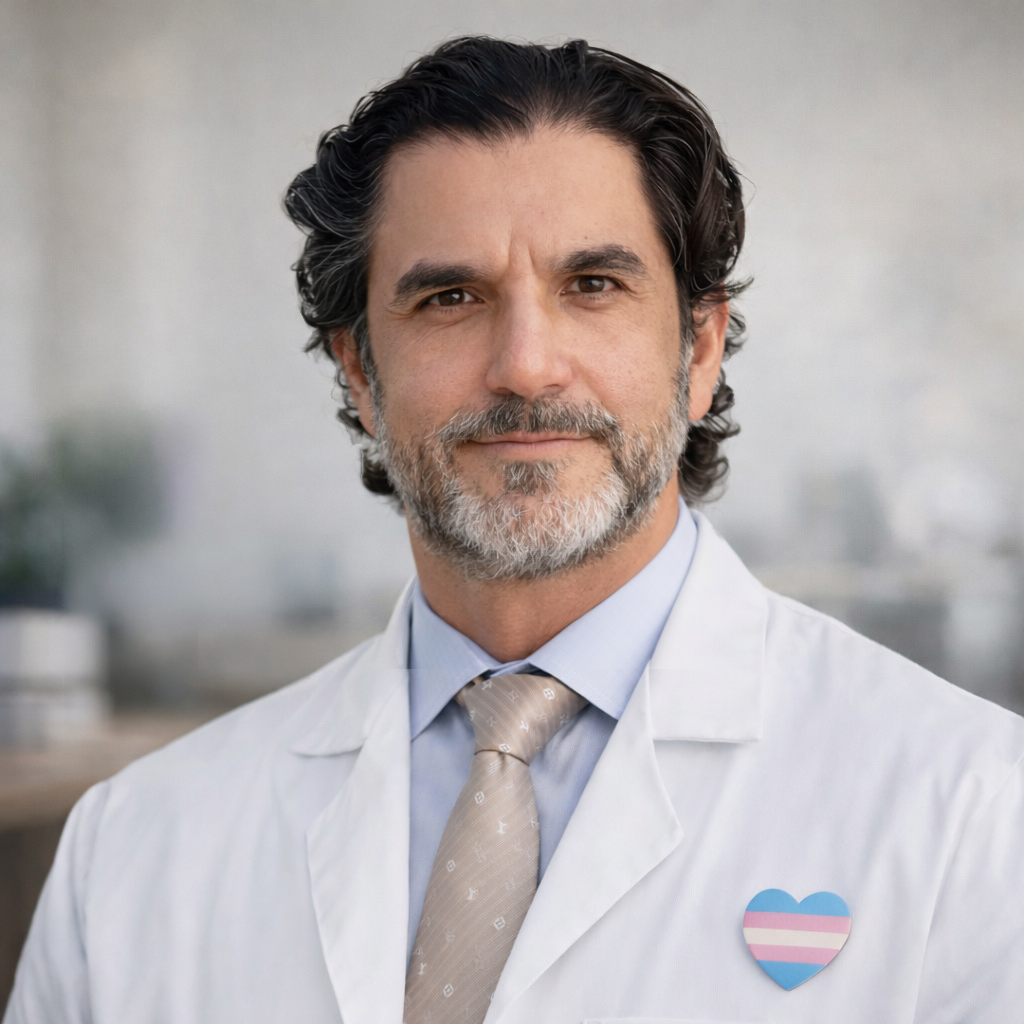
Meet Dr. David Sayah
Dr David Sayah is a board certified plastic surgeon in Beverly Hills known for his natural approach to aesthetic surgery. With more than 26 years of experience, he combines surgical precision with artistic insight to deliver balanced and refined results. His philosophy centers on enhancing individual beauty rather than changing it.
A graduate of the UCLA School of Medicine and a Fellow of the American College of Surgeons, Dr Sayah trained at leading medical centers including NYU and UCLA. His work in wound healing and scar formation research helps patients heal beautifully with minimal scarring. Fluent in five languages, he welcomes patients from Beverly Hills, Los Angeles, and across the world who seek exceptional, natural results.
Schedule Your Droopy Tip Consultation in Los Angeles
If a drooping nasal tip is affecting your profile appearance, creating an aged look, or causing functional concerns, we can help. Contact Chrisalys today to schedule your consultation.
We will evaluate your nasal anatomy and create a personalized treatment plan. Dr. Sayah will discuss how droopy tip surgery can restore youthful tip position and create the refined profile you desire. We look forward to helping you achieve natural, lasting tip elevation.