Understanding Revision Rhinoplasty Complexity
Revision rhinoplasty, also called secondary rhinoplasty, addresses unsatisfactory outcomes, complications, or premature aging following previous nose surgery. Unlike primary rhinoplasty performed on patients without previous nasal surgery, revision procedures present unique challenges.
These challenges include:
- Scar Tissue Formation: Altering normal tissue planes and surgical anatomy
- Compromised Blood Supply: From previous surgery affecting healing capacity
- Weakened or Depleted Cartilage: Requiring grafting for reconstruction
- Distorted Anatomy: That must be corrected while creating improvement
- Thickened Skin: From previous trauma obscuring definition
- Psychological Factors: As patients approach revision with caution after previous disappointment
Revision rhinoplasty requires exceptional surgical judgment, intimate knowledge of complex nasal anatomy, and extensive experience managing compromised tissues. Not all plastic surgeons possess the specialized skills necessary for successful revision surgery. This makes careful surgeon selection absolutely essential for patients seeking correction of previous unsatisfactory results.
“Revision rhinoplasty represents some of the most technically demanding surgery in facial plastic surgery,” explains Dr. Sayah. “Success requires not just correcting what went wrong previously, but doing so while working with tissues already altered by surgery, often with limited remaining cartilage and compromised blood supply. My extensive training and experience with complex cases allows me to achieve meaningful improvement even in challenging revision situations that other surgeons might consider too difficult.”
Common Reasons for Seeking Revision Rhinoplasty in Los Angeles
Patients seek revision rhinoplasty to address various complications, persistent concerns, or unsatisfactory outcomes from their initial procedure:
- Breathing Difficulties: Previous surgery created or worsened nasal obstruction through over-reduction of structural support. Internal valve collapse from weakened cartilage. External valve collapse causing nostril narrowing. Inadequate septoplasty leaving persistent deviation affecting airflow significantly.
- Persistent Aesthetic Concerns: Original goals were not achieved despite surgery. Residual dorsal hump remaining after reduction. Inadequate tip refinement leaving bulbous appearance. Asymmetries or irregularities created by surgery. Insufficient overall improvement not meeting patient expectations from initial procedure.
- Over-Correction Problems: Excessive reduction created new problems. Pinched appearance from over-narrowing. Scooped bridge from over-aggressive hump removal. Over-rotated tip creating unnatural upturned appearance. Generally unnatural surgical look rather than refined enhancement.
- Structural Complications: Surgical technique issues created problems. Visible grafts or implants showing through skin. Graft displacement or warping distorting contours. Cartilage collapse causing deformity. Pollybeak deformity where supratip area appears overly prominent.
- Healing Complications: Unexpected outcomes from healing. Significant asymmetry between the two sides. Visible irregularities or depressions. Excessive scar tissue affecting contours. Skin contracture creating tightness or distortion.
- Aging or Changes Over Time: Natural processes affecting previous results. Tip drooping as cartilage weakens over years. Gradual contour changes as support structures weaken. Progressive asymmetry developing long after initial surgery.
Our Advanced Revision Rhinoplasty Techniques in Beverly Hills
We employ sophisticated reconstruction techniques to address the unique challenges of revision rhinoplasty. Our approach is customized based on specific problems, extent of previous surgery, and available tissue for reconstruction.
- Structural Reconstruction With Cartilage Grafting: Most revision cases require cartilage grafting to rebuild weakened structures, correct deformities, or augment over-reduced areas. Spreader grafts widen collapsed middle vault and restore breathing. Tip grafts rebuild over-resected or weakened tip structures. Dorsal grafts augment over-reduced bridge height. Batten grafts support collapsed sidewalls preventing collapse. Columellar struts strengthen weakened tip support preventing drooping.
- Cartilage Harvest for Revision Surgery: Revision cases often require substantial cartilage, frequently necessitating harvesting beyond nasal septum. Septal cartilage used first when adequate tissue remains from previous surgery. Ear cartilage provides moderate volume for less extensive needs. Rib cartilage supplies abundant material for comprehensive reconstruction in severely compromised cases requiring extensive grafting.
- Addressing Over-Reduction Problems: When previous surgery removed excessive tissue, rebuilding becomes necessary. Dorsal augmentation restores appropriate bridge height eliminating scooped appearance. Lateral wall reconstruction widens pinched middle vault. Tip augmentation rebuilds over-refined tip restoring appropriate size. Structural support prevents collapse while improving appearance simultaneously.
- Correcting Asymmetries and Irregularities: Uneven results from previous surgery require meticulous correction. Precise graft placement fills depressions and equalizes contours. Cartilage reshaping addresses irregularities and bumps. Osteotomies reposition asymmetric bones. Camouflage grafts smooth visible edges or step-offs creating even appearance.
- Breathing Restoration: Functional problems from previous surgery receive priority correction. Septoplasty straightens deviated septum opening central airway. Valve reconstruction using spreader or batten grafts. Turbinate reduction when enlarged turbinates contribute to obstruction. Comprehensive approach addressing all sources of impaired breathing.
Managing Expectations in Revision Surgery
A critical aspect of revision rhinoplasty involves establishing realistic expectations about achievable outcomes. While we strive to create significant improvement, revision surgery faces inherent limitations based on previous tissue manipulation, existing scarring, compromised blood supply, and depleted cartilage that do not exist in primary rhinoplasty.
Timing Considerations for Revision Rhinoplasty
Determining appropriate timing for revision rhinoplasty proves critical for optimal outcomes and realistic assessment of what requires correction versus what might still improve with continued healing.
- Minimum Waiting Period: Most surgeons recommend waiting at least 12 months after primary rhinoplasty before pursuing revision. This allows complete healing. Full resolution of all swelling revealing true final result. Scar tissue maturation stabilizing tissue characteristics. Accurate assessment of what actually needs correction versus what might still improve with time.
- Exceptions to Waiting Period: Certain situations justify earlier intervention. Severe breathing difficulties significantly impairing quality of life. Obvious major deformity or complication requiring prompt correction. Graft malposition or displacement visible early after surgery. Infection or other complication requiring immediate surgical intervention.
- Extended Waiting for Complex Cases: Patients with thick skin, extensive previous surgery, or significant scarring may benefit from waiting 18-24 months. This allows tissues to fully mature. Complete resolution of deep scar tissue inflammation. Skin to achieve maximum thinning and contraction. Most accurate assessment of true final result from previous surgery.
We carefully evaluate your healing progress and specific situation during consultation. We recommend optimal timing for revision that maximizes potential for successful improvement while not operating prematurely on issues that might still resolve.
Psychological Aspects of Revision Rhinoplasty
Beyond technical surgical challenges, revision rhinoplasty involves important psychological considerations as patients approach revision with different mindset than primary surgery.
- Emotional Impact: Previous unsatisfactory results often create frustration, disappointment, or even anger affecting mental wellbeing. Fear of repeated disappointment making revision decision anxiety-provoking. Loss of confidence in plastic surgery generally or surgeons specifically. Financial burden of paying again for correction of problems that should not exist.
- Building Trust: Establishing trust with a revision surgeon becomes paramount given previous disappointment. Honest communication about realistic expectations and limitations. Thorough explanation of what went wrong previously when determinable. Detailed surgical plan showing understanding of specific problems. Evidence of extensive revision experience through before-after photos of similar cases.
- Post-Revision Recovery: Patients often experience different emotional journey during revision recovery. Anxiety about repeating previous problems during healing. Hyper-awareness of every sensation or appearance concern. Comparing revision recovery to primary surgery experience. Relief as improvements become apparent and feared problems do not materialize.
Our compassionate approach acknowledges these psychological factors. We provide the support, communication, and reassurance revision patients need throughout their journey toward improved outcomes.
Recovery After Revision Rhinoplasty
Recovery from revision rhinoplasty follows similar timeline to standard rhinoplasty, though the extensive structural work required often results in slightly more swelling initially compared to primary procedures.
- First Week: Nasal splint protects nose and maintains correction during initial healing. Some swelling and bruising around eyes and nose peak around days 2-3 before beginning to improve. Nasal packing if used is removed within days. Splint removal occurs around day 7, revealing improved appearance though swelling obscures final results.
- Weeks 2-4: Most visible swelling and bruising resolve allowing comfortable return to work and social activities. Nose appears noticeably improved though residual swelling affects fine contours. Avoid activities risking nasal trauma that could compromise correction achieved during surgery.
- Months 2-6: Progressive improvement continues as swelling gradually resolves and structures settle into corrected positions. Straight alignment becomes increasingly apparent and breathing improvement reaches maximum benefit. Most patients feel completely satisfied with appearance by 3-4 months.
- Months 6-12: Final refinements occur as last traces of swelling disappear and nasal tip fully defines. Complete straightness and improved symmetry are fully apparent. Breathing remains excellent as internal corrections remain stable. Results continue maturing with subtle improvements in definition and contour.

Why Choose Chrisalys for Revision Rhinoplasty
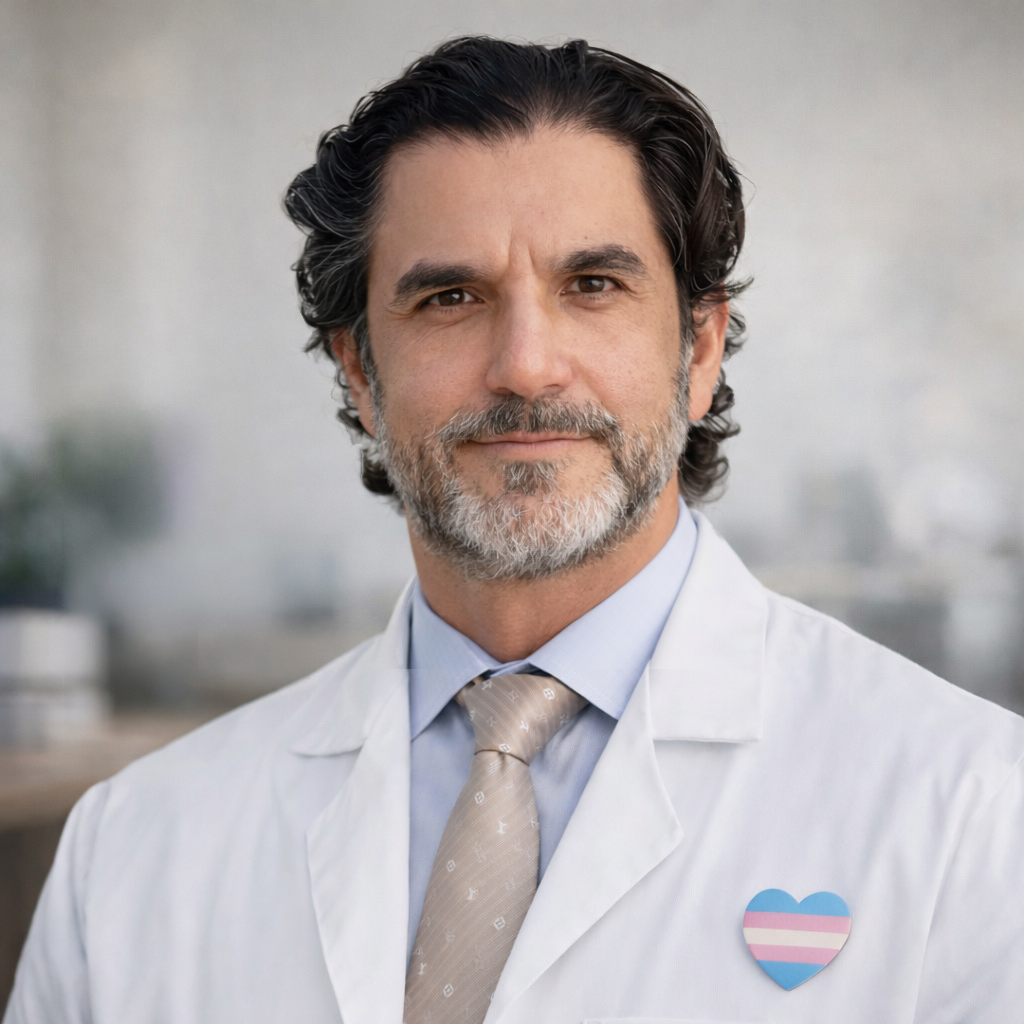
Dr. Sayah’s comprehensive training at UCLA Medical Center includes extensive experience with both primary and complex revision rhinoplasty procedures. His 26 years of surgical experience encompasses numerous successful revisions correcting problems created by surgeons elsewhere. Patients consistently praise his ability to achieve improvement in challenging situations others might consider too difficult.
As a board-certified plastic surgeon and Fellow of the American College of Surgeons, Dr. Sayah maintains the highest standards of surgical excellence and patient safety. His extensive experience with rib cartilage harvesting and structural reconstruction provides the specialized skills necessary for even the most complex revision cases requiring comprehensive rebuilding.
His artistic background provides unique insight into nasal aesthetics essential for correcting asymmetries and contour irregularities while creating natural-looking results. His honest, realistic communication style ensures patients understand both possibilities and limitations before proceeding with revision surgery.
Our fully accredited surgery center in Beverly Hills features state-of-the-art equipment and maintains rigorous safety protocols appropriate for complex revision procedures. Patients throughout Los Angeles trust us with their most challenging revision rhinoplasty needs, knowing our commitment to achieving the best possible outcomes even in difficult circumstances.
Meet Dr. David Sayah
Dr David Sayah is a board certified plastic surgeon in Beverly Hills known for his natural approach to aesthetic surgery. With more than 26 years of experience, he combines surgical precision with artistic insight to deliver balanced and refined results. His philosophy centers on enhancing individual beauty rather than changing it.
A graduate of the UCLA School of Medicine and a Fellow of the American College of Surgeons, Dr Sayah trained at leading medical centers including NYU and UCLA. His work in wound healing and scar formation research helps patients heal beautifully with minimal scarring. Fluent in five languages, he welcomes patients from Beverly Hills, Los Angeles, and across the world who seek exceptional, natural results.
Schedule Your Revision Rhinoplasty Consultation in Los Angeles
If you are dissatisfied with results from previous rhinoplasty or experiencing complications affecting your breathing or appearance, we can help. Contact Chrisalys today to schedule your consultation.
We will evaluate your specific situation and discuss realistic options for revision correction tailored to your unique needs and circumstances. Dr. Sayah will explain how revision surgery can correct unsatisfactory outcomes and help you achieve the natural, functional results you deserve.
Unsatisfactory results from previous rhinoplasty can be deeply disappointing and significantly impact confidence. Whether breathing difficulties, persistent aesthetic concerns, or complications, we understand these issues affect more than appearance. At Chrisalys, we offer expert revision rhinoplasty to correct problems from procedures performed elsewhere.
Dr. David N. Sayah brings over 26 years of experience to every revision procedure. He is a board-certified plastic surgeon and Fellow of the American College of Surgeons. His specialized training at UCLA Medical Center in both primary and complex revision nasal surgery allows him to address even challenging revision cases. Our Los Angeles and Beverly Hills practice serves patients seeking to correct previous problems, restore natural appearance, improve breathing when impaired, and create the results initially sought but not achieved.