Understanding insurance coverage for plastic surgery can be complex. At Chrisalys serving Los Angeles and Beverly Hills, we help patients navigate insurance questions and provide clear information about what procedures may qualify for coverage. This guide explains the distinction between cosmetic and reconstructive surgery, outlines commonly covered procedures, and clarifies our insurance policies.

Understanding Cosmetic vs. Reconstructive Surgery
Insurance coverage depends primarily on why surgery is performed rather than which specific procedure is done. The specialty of plastic surgery–derived from the Greek word “plastikos” meaning to mold or give form–encompasses two general categories with different insurance implications:
Cosmetic Surgery
Cosmetic surgery reshapes normal body structures to improve aesthetic appearance and enhance self-esteem. These procedures address personal aesthetic preferences rather than medical necessity or functional impairment. Because cosmetic surgery is considered elective and not medically necessary, insurance companies typically do not provide coverage.
Common cosmetic procedures not covered by insurance:
- Facelift for aesthetic rejuvenation
- Rhinoplasty for cosmetic nose reshaping
- Breast augmentation for size enhancement
- Liposuction for body contouring
- Tummy tuck for aesthetic abdominal improvement
- Cosmetic eyelid surgery for appearance enhancement
- Brow lift for aesthetic forehead rejuvenation
Reconstructive Surgery
Reconstructive surgery improves function or normalizes appearance of abnormal body structures caused by birth defects, developmental abnormalities, trauma, tumors, disease, or medical conditions. When surgery addresses functional problems or corrects abnormalities affecting health and well-being, insurance often provides coverage–though extent varies by carrier, policy, and specific circumstances.
Procedures potentially covered when medically necessary:
- Breast reconstruction following mastectomy
- Eyelid surgery when excess skin impairs vision
- Rhinoplasty addressing breathing difficulties or trauma
- Male breast reduction for symptomatic gynecomastia
- Breast reduction relieving physical symptoms
- Scar revision following trauma or burns
- Hand surgery for functional restoration
- Repair of cleft lip/palate or other congenital deformities
Procedures That May Qualify for Insurance Coverage
Certain procedures fall into gray areas where coverage depends on whether functional impairment or medical symptoms exist:
Blepharoplasty (Eyelid Surgery)
Upper eyelid surgery may be covered when excess skin significantly impairs peripheral vision. Documentation requirements typically include:
- Visual field testing demonstrating impairment
- Photographs showing lid position and skin excess
- Medical history documenting functional problems
- Failure of conservative treatments
Lower eyelid surgery is rarely covered as it seldom causes functional impairment.
Rhinoplasty (Nose Surgery)
Rhinoplasty may receive partial coverage when addressing:
- Nasal obstruction causing breathing difficulty
- Trauma-related deformity requiring correction
- Congenital abnormalities affecting function
Purely aesthetic rhinoplasty components typically remain patient responsibility even when functional correction is covered.
Breast Reduction
Reduction mammoplasty may be covered when large breasts cause documented physical symptoms:
- Chronic back, neck, or shoulder pain
- Shoulder grooving from bra straps
- Skin rashes or infections beneath breasts
- Postural problems
- Difficulty with physical activities
Coverage often requires removing minimum tissue amounts (varies by carrier) and documentation of failed conservative treatments including physical therapy, weight loss, or supportive garments.
Male Breast Reduction (Gynecomastia Surgery)
Gynecomastia surgery may qualify for coverage when:
- True glandular tissue enlargement exists (not just fat)
- Condition causes physical symptoms or pain
- Psychological distress affecting quality of life is documented
- Conservative treatments have failed
Documentation requirements and coverage policies vary significantly among insurers.
Breast Reconstruction
Federal law (Women’s Health and Cancer Rights Act of 1998) mandates insurance coverage for breast reconstruction following mastectomy, including:
- Reconstruction of the removed breast
- Surgery on the opposite breast for symmetry
- Prostheses and treatment of complications
This represents one of the most consistently covered plastic surgery procedures.


Insurance Coverage at Chrisalys
Dr. Sayah maintains contracts with select insurance companies for reconstructive procedures. However, he is not in-network with all carriers. Understanding our insurance policies helps you plan appropriately:
For In-Network Carriers: We work directly with your insurance company to verify coverage, obtain pre-authorization when required, and submit claims on your behalf. You remain responsible for deductibles, co-payments, and any non-covered portions of your procedure.
For Out-of-Network Carriers: If Dr. Sayah is not contracted with your insurance company, payment in full for surgeon fees and applicable facility charges is required before your procedure. You may then file reimbursement claims directly with your insurance carrier for any covered benefits. Out-of-network benefits vary significantly by policy–some plans provide partial reimbursement while others offer no out-of-network coverage.
For Self-Pay Procedures: Purely cosmetic procedures are always self-pay regardless of insurance coverage. We provide detailed cost estimates during consultation and offer financing options making aesthetic enhancement accessible.
Steps for Seeking Insurance Coverage
If you believe your procedure may qualify for insurance coverage, follow these steps:
- Review Your Policy: Carefully read your insurance policy, paying particular attention to exclusions, coverage for plastic or reconstructive surgery, and requirements for pre-authorization.
- Contact Your Insurance Company: Call your carrier’s customer service to inquire about coverage for your specific procedure. Ask about documentation requirements, pre-authorization procedures, and both in-network and out-of-network benefits.
- Consultation with Dr. Sayah: During consultation, inform Dr. Sayah and our staff that you’re seeking insurance coverage. We’ll evaluate whether your situation meets criteria typically required for coverage approval.
- Documentation and Pre-Authorization: If your procedure potentially qualifies for coverage, we help gather necessary documentation and submit pre-authorization requests to your insurance carrier. This process typically takes 2-4 weeks.
- Coverage Decision: Once your insurance company reviews documentation, they’ll issue a coverage decision. Approval doesn’t guarantee full coverage–verify your financial responsibility including deductibles, co-insurance, and non-covered components.
- Appeal if Necessary: If coverage is denied but you believe your procedure is medically necessary, you have the right to appeal. We provide supporting documentation for appeal submissions.
Important Insurance Considerations
- Pre-Authorization Requirements: Many insurance companies require pre-authorization before reconstructive surgery. Proceeding without required authorization may result in claim denial even if the procedure would otherwise be covered.
- Medical Necessity Documentation: Insurance coverage requires thorough documentation of medical necessity. This includes medical records, photographs, diagnostic testing, and documentation of failed conservative treatments.
- Cosmetic Components: When procedures combine reconstructive and cosmetic elements, insurance typically covers only the reconstructive portion. You remain responsible for cosmetic components.
- Coverage Varies Widely: Insurance policies differ dramatically in coverage, requirements, and restrictions. Two patients with similar procedures may receive vastly different coverage based on their specific policies.
- Policy Changes: Insurance coverage policies change regularly. Information that was accurate previously may not reflect current coverage determinations.
Our Commitment to Transparency in Los Angeles
At Chrisalys, we believe patients deserve clear information about costs and insurance coverage before committing to surgery. Our staff assists with insurance verification, pre-authorization submissions, and documentation requirements. However, ultimate responsibility for understanding your coverage and any financial obligations rests with you.
We encourage you to thoroughly investigate your insurance coverage, ask questions, and ensure you understand all financial aspects before proceeding with surgery. Our team is available to clarify our policies, assist with insurance processes, and answer questions about coverage.

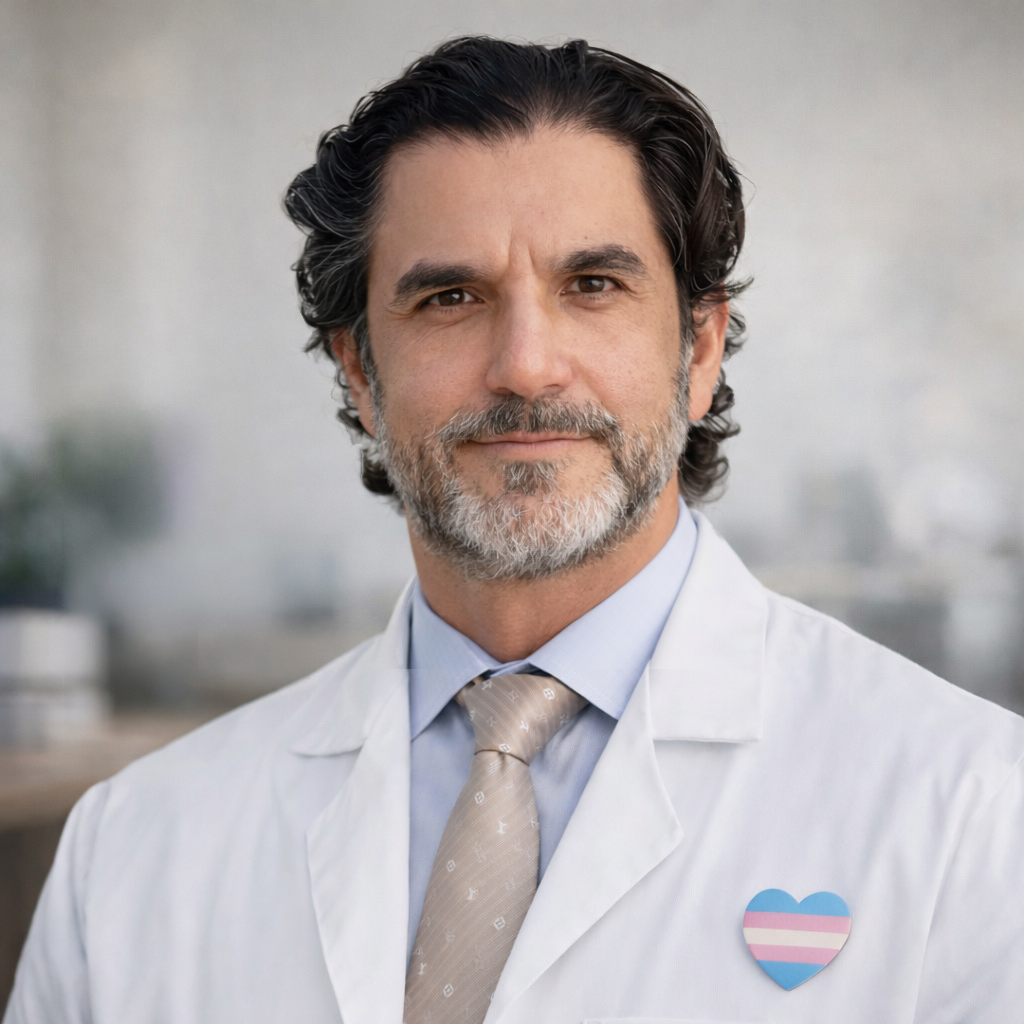
Meet Dr. David Sayah
Dr David Sayah is a board certified plastic surgeon in Beverly Hills known for his natural approach to aesthetic surgery. With more than 26 years of experience, he combines surgical precision with artistic insight to deliver balanced and refined results. His philosophy centers on enhancing individual beauty rather than changing it.
A graduate of the UCLA School of Medicine and a Fellow of the American College of Surgeons, Dr Sayah trained at leading medical centers including NYU and UCLA. His work in wound healing and scar formation research helps patients heal beautifully with minimal scarring. Fluent in five languages, he welcomes patients from Beverly Hills, Los Angeles, and across the world who seek exceptional, natural results.
Questions About Plastic Surgery Insurance Coverage?
If you have questions about insurance coverage for plastic surgery or would like to discuss whether your procedure may qualify for benefits, contact Chrisalys. Our knowledgeable staff in Beverly Hills can verify your insurance coverage, explain our policies, and help you understand your financial responsibilities at our Beverly Hills practice serving patients throughout Los Angeles.