Board-certified plastic surgeon Dr. David N. Sayah, MD, FACS brings over 26 years of expertise to every procedure at Chrisalys in Beverly Hills. As a Fellow of the American College of Surgeons with specialized training from UCLA Medical Center, Dr. Sayah understands that thorough preparation is essential for optimal surgical outcomes and comfortable recovery. This comprehensive guide provides detailed information to help you prepare for your plastic surgery journey, from the initial consultation through complete healing.
Proper preparation reduces complications, accelerates healing, and enhances your overall surgical experience. We have created this resource to ensure you feel confident and fully informed throughout every stage of your procedure. Please read this material carefully and contact our office with any questions.
Your Plastic Surgery Timeline
Three Weeks Before Surgery
This is when important pre-operative tasks begin. We will provide a complete list of required laboratory tests and examinations from your primary physician. All lab work, physician clearances, and specialist consultations must be completed at least two weeks before your scheduled procedure.
Your surgery date and specific procedure details will be confirmed during this period. Any remaining questions about your treatment plan should be addressed now. We will review all medical records, including pre-operative clearance, to ensure health conditions such as hypertension or allergies are properly managed.
If insurance pre-authorization applies to your procedure, we will coordinate with your insurance company to obtain necessary approvals. While we maintain regular contact with insurance providers, you remain your best advocate–we encourage you to follow up directly with your insurer to expedite processing. All post-operative follow-up appointments will be scheduled at this time for your convenience.
Payment for your procedure is due during this period.
What You Must Stop Now:
- Smoking: Nicotine severely impairs healing and increases complications. The earlier you quit, the better your surgical outcome and recovery will be.
- Alcohol: Regular or heavy drinking should be eliminated or minimized. Alcohol causes excessive bruising, interferes with medication metabolism, and disrupts healing processes.
- Sun Exposure: Avoid sunbathing, self-tanning products, and tanning booths. Sunburned or damaged skin cannot heal optimally.
- Facial Treatments: If undergoing facial surgery, discontinue facials, steaming masks, and other skin irritants that could compromise your surgical site.
- Illness Exposure: Maintain excellent health by eating nutritiously, getting sufficient sleep, and avoiding people who are sick. Any illness before surgery may require postponement.
- Pregnancy: Women must confirm they are not pregnant before surgery.
Seven to Ten Days Before Surgery
Preparation intensifies during this period. Review all pre-operative materials with the person who will care for you after surgery. Schedule necessary appointments for haircuts and nail services before your procedure.
Arrange childcare, pet care, and mail pickup during your recovery period. Pay bills that will come due while you recover. Clean your house thoroughly and arrange for any housekeeping assistance you may need.
Prepare your recovery nutrition. Review the dietary suggestions in this guide and prepare individual meals that can be quickly reheated. Freezing nutritious soups, broths, and soft foods now saves stress during recovery.
Create your Comfort Station. Shop for household items and recovery supplies listed in the next section. Having everything ready before surgery prevents unnecessary stress when you return home.
Men having facelift surgery should allow sideburns to grow during this period.
Hospital surgery patients should call the admitting department to confirm all arrangements if you have not already done so.
Review your calendar for birthdays, meetings, or commitments requiring attention during your surgery and recovery period. Make necessary arrangements now.
Notify our office immediately if you develop skin infections, boils, pustules near your anticipated surgery site, or become ill within one week of your operation. These conditions may require postponing surgery.
Arrange transportation from the surgical facility to your home. You cannot drive yourself after sedation or anesthesia.
Arrange assistance for at least the first 24 hours after surgery. A family member or friend must stay with you. If preferred, we can arrange experienced nursing care at your home or hotel, or recommend reputable post-surgical care facilities.
Your Comfort Station: Essential Recovery Supplies
Organizing your home recovery area before surgery significantly improves safety, comfort, and peace of mind. Gather these recommended supplies based on your specific procedure:
From the Pharmacy
- Throat Care: Lozenges and cough drops for post-anesthesia throat dryness
- Lip Care: Chapstick or quality lip balm
- Hygiene: Baby shampoo (gentle for scalp or facial surgery)
- Comfort: Mouth spray for freshness, skin moisturizer, ultrasonic humidifier (especially helpful after nasal surgery)
- Protection: Shower cap (use after scalp procedures)
- Pain Management: Heating pad, Tylenol (as directed)
- Eye Care: Moisturizing eye drops
- Digestive Support: Milk of Magnesia for constipation relief, Maalox for indigestion, Metamucil or gentle laxative
- Nasal Care: Vicks or Mentholatum (after nasal surgery)
- Sun Protection: High-quality sunblock
- Health Support: Lactobacillus capsules to prevent yeast infections while taking antibiotics
For Your Bedroom
- Essentials: Bedside clock, bedside table, warm socks or booties, nightlight
- Convenience: Small bib to protect clothing, paper towels, no-spill cup, tissues, magazines, soft foods, bedside trash container, baby wipes for quick cleanups, paper plates and cups
- Clothing: Loose, comfortable clothes with front zippers (avoid pullovers), warm jogging suit, extra towels
- Elevation: Multiple pillows or wedge pillow for keeping your head or back elevated
For Facial Surgery
- Cooling: Water spray bottle for facial or chemical peel procedures
- Support: Rolled bath towels to support your neck comfortably
- Elevation: Multiple pillows or wedge to maintain 30-40 degree elevation while resting
Three Days Before Your Procedure
Cease all alcohol, smoking, coffee, and tea (caffeine). These substances interfere with healing and anesthesia safety.
Use antibacterial soap such as Hibiclens when showering to reduce bacterial counts on your skin.
Facial or scalp surgery patients should gently clean ears with water-moistened cotton swabs. Remove impacted wax with Murine or Debrox ear wax remover to prevent bacterial growth. Only perform this step if significant wax buildup exists.
Breast surgery patients should not shave underarms for three days before surgery to prevent skin irritation and potential infection.
One Day Before Surgery
You will have an appointment the day before your procedure to discuss personal preferences and surgical plans in detail. Dr. Sayah will mark your surgical areas today, allowing time to consider the specific treatment plan.
After discussing your procedure and associated risks and benefits, you will sign an informed consent form authorizing Dr. Sayah to perform your surgery.
Eat a light, protein-rich dinner–preferably chicken or fish.
Morning surgery patients: Do not eat or drink anything after midnight. You may rinse your mouth with water but do not swallow. When brushing teeth, you may use mouthwash without swallowing.
Afternoon surgery patients: You may have clear liquid breakfast such as juice, but nothing for six hours before surgery.
Pick up all prescribed medications for your recovery period.
Tummy tuck (abdominoplasty) patients should begin bowel preparation as directed.
Our anesthesiologist will call you today to review planned procedures and health history, ensuring an excellent surgical experience.
Call our office with any last-minute questions–we are here to provide reassurance and answer concerns.
The Morning of Your Surgery
- Take regular prescription medications (blood pressure, thyroid, birth control pills) with a small sip of water as directed.
- Do not use facial or body moisturizer. Men should avoid shaving. Brush teeth carefully, avoiding swallowing water.
- Wear comfortable, loose clothing that buttons or zips in front. A warm-up or jogging suit is ideal. Flat, comfortable shoes are recommended.
- Do not wear pantyhose or girdles.
- Leave jewelry, earrings, rings, hairpins, and false eyelashes at home.
- Bring cases for contact lenses, eyeglasses, or dentures, clearly labeled with your name.
- Do not style or set your hair. Wash with mild shampoo the night before surgery.
- Bring your medications to the surgical center for review.
- Leave your purse at home if possible.
At Your Los Angeles Surgical Center
Upon arrival, nursing staff will take vital signs, ask standard medical questions, and have you sign surgical consent forms. Our anesthesiologist will review your health history one final time to ensure maximum safety.
Dr. Sayah will see you before surgery to discuss your planned procedure, perform final markings while you stand before a mirror, and answer any remaining questions. He may take additional photographs for your medical records.
You will receive a mild sedative for relaxation before entering the warm, comfortable operating room. Dr. Sayah performs most surgeries using safe, modern intravenous sedation that allows you to breathe naturally while sleeping comfortably.
Dr. Sayah will administer long-acting local anesthetic to your surgical site. When you wake, these areas will be numb, and most patients experience minimal discomfort. Once local anesthetic wears off, any discomfort is easily controlled with pain medication.
In the Recovery Area
Several monitoring devices ensure your comfort and safety during recovery:
- Oxygen mask provides pure oxygen for optimal healing
- Blood pressure cuff on your upper arm records continuous measurements via computer monitoring
- Intravenous line (IV) in your arm provides fluids and medications as needed
- Pulse oximeter (small plastic finger clip) measures pulse and oxygen levels
- EKG pads on your chest or back monitor heart rate continuously
- Dressings appropriate for your specific procedure. Small drains consisting of plastic tubes connected to collection bulbs may be used if Dr. Sayah determines they will reduce swelling and bruising. These are typically removed within 24-48 hours under local anesthetic.
- Compression stockings on legs maintain circulation and warmth
- Bladder catheter may be used for abdominal surgery
- Protective eye ointment may cause temporary blurry vision
Your Journey Home
You must have someone drive you after any form of sedation or general anesthesia. We recommend bringing a pillow, blanket, and tissues for your comfort.
Recline the front passenger seat for maximum comfort during transport.
Your driver should proceed slowly and cautiously. Feeling lightheaded is not unusual.
You will need assistance getting in and out of the vehicle and walking from car to house. Once inside, lie down on a couch or bed with pillows supporting your back.
Important Warning Signs After Plastic Surgery
Contact our office immediately if you experience:
- Fever over 101 degrees with or without chills
- Excessive swelling creating tight, restrictive dressings, particularly if one side differs significantly from the other
- Excessive bleeding that will not stop. With oozing or bleeding, maintain 10 minutes of direct, continuous pressure on the area. Remain calm. Call our office or have someone drive you to the emergency room.
- Persistent vomiting that does not resolve
Immediately After Surgery
Do not make important decisions or sign important papers for 24 hours after surgery. Refrain from alcohol or sedating substances for at least 24 hours.
Physical Activity: During the first day or two, take deep breaths and gently cough to exercise your lungs. Change positions periodically to decrease back discomfort. Move your legs side to side, up and down, and flex ankles intermittently to improve circulation and decrease stiffness.
Avoid exertion the first few days, as this increases swelling and bruising. Elevate your operative area and avoid lifting or bending as much as possible.
Tummy tuck patients will need to walk with your back flexed 30-45 degrees at the hips initially.
Face or neck lift patients should avoid neck flexion or rotation.
Facial surgery patients should sleep with your back elevated 30-40 degrees using a wedge or pillows.
Breast or abdominal surgery patients should avoid sleeping on your sides initially.
Slowly resume normal activities, progressing gradually each day. Listen to your body–if you feel tired or sore, slow down or stop. Do not drive or operate heavy machinery for at least 24 hours after your procedure or while taking narcotic pain medications.
Getting Up From Bed: Feeling lightheaded when rising quickly is common. Have someone assist you for the first day or two. Sit at the bedside for a minute or two, then stand very slowly.
Breast enhancement, abdominoplasty, or liposuction patients should use “logrolling” technique: Roll gently on your side, bring knees up, move legs over the bed’s edge until hanging down, then lift yourself to sitting by keeping knees bent and pushing up on elbows.
Never walk alone if lightheaded–ask for assistance. Keep a nightlight and chair in both bedroom and bathroom.
Climbing Stairs: Take one step at a time, facing the railing and holding with both hands. An assistant should walk behind you going up and in front going down. If dizzy, sit down immediately regardless of location.
Bathing: Keep surgical sites clean and dry for at least 48 hours after surgery. If you have drains 48 hours post-surgery, you may not shower until all drains are removed.
Hair Washing: Depending on your surgery type, you may be unable to wash hair for several days. Use “No-Rinse” shampoo alternative if needed. Unless instructed otherwise, you may gently brush teeth and use mouthwash.
Compression Garments: Remove compression garments every 2 hours for approximately 10-15 minutes to allow blood circulation at surgical sites. You may leave garments on overnight without removing them for comfortable sleep.
Nutrition and Diet Recommendations
Thirst is common for several days after surgery. Keep juices readily available.
Sore throat sometimes occurs after anesthesia. Try lukewarm decaffeinated tea with honey or non-citrus fruit juices such as apple, pear, or peach. Throat lozenges or ice cream provide soothing relief.
Limited appetite is normal for several days. Fluids, particularly electrolyte-balanced drinks like Gatorade, prevent dehydration and decrease constipation. Low-salt chicken soup is excellent.
Begin with clear liquids immediately after surgery, advancing to regular foods as tolerated:
Clear Liquids:
- Decaffeinated tea and coffee
- Cranberry juice and apple juice
- Clear broth
As Appetite Increases:
- Easily digested soups, low-fat ice cream, low-calorie milkshakes
- Pudding, yogurt, ground-up foods, baby food
- Avoid added salt, caffeine, spices, excessively fatty or salty foods, high-fat dairy products
Abdominal surgery patients may receive additional dietary instructions.
Facial surgery patients should adhere to full liquid or soft diet for one week.
Avoid chewing firm foods such as apples, pizza, thick steak, or chicken breast, allowing your face to heal without repetitive tension from firm chewing or wide mouth opening.
Full Liquid Diet:
- Cream of tomato soup
- Clam chowder soup
- Fruit juice
- Malts and milkshakes
- Soft ice cream
- Eggnog
Soft Diet:
- Cream of Wheat and oatmeal
- Cottage cheese
- Bread and eggs
- Spaghetti and rice
- Bananas and tuna
- Custard and pudding
- Soft fish and chicken
- Ice cream and yogurt
- Baby food (excellent option)
Oral Surgery Patients: Rinse frequently with Peridex. Follow liquid diet for 48 hours, then soft diet for three additional days.
Medication Guidelines
- Antibiotics: Eat yogurt, drink acidophilus milk, or take lactobacillus capsules daily to decrease yeast infection possibility.
- Regular Prescriptions: Continue as prescribed by your physician.
- Pain Management: Beginning two days after surgery, take pain medication regularly–such as 1-2 Tylenol every four hours. Scientific evidence proves that maintaining low but definite blood levels of mild pain medication significantly controls discomfort. Stronger pain medicine is available if needed.
- Menstrual Cycle: Women may experience irregular periods or miss one or two cycles for a month or two following surgery. This is normal–your body will adjust and return to regular cycles. Continue your regular birth control program.
Two to Three Days After Surgery
Visitors: Family and friends provide important support during recuperation. However, you may prefer solitude for rest and sleep. Decide how often and how long you wish to have visitors.
Activity: You will probably feel better and eager to move about. Alternate activity periods with rest throughout the first several days. Take brief walks wearing your hat, scarf, and sunglasses for sun protection.
Site Swelling: As part of healing, your body absorbs extra fluids and nourishment during the first 24-48 hours. By the second day, you will notice increased swelling at your operative site. This is normal and resolves over the next several days to weeks. Elevating the area and applying icy cold compresses helps decrease swelling. Ensure your room is not too warm, as elevated temperature increases swelling.
Oozing: Small capillaries may continue oozing for several days, resulting in bruising. Your body absorbs this fluid over the next week to ten days. As blood cells break down during absorption, you may notice residual discoloration for a few weeks. This is rare and usually minimal.
Limit direct sun exposure while bruising and discoloration are present, as sun exacerbates these conditions.
Warm baths can be very soothing and relaxing. If you still have dressings, keep them dry or wait until removal. Usually you may shower after two days and bathe after one week.
Intravenous Site Irritation: Apply warm moist washcloth for relief.
Three to Five Days After Surgery
- Fever: Low-grade fever may continue for a few days, usually signaling need for deeper breathing. If temperature rises above 101 degrees, call our office.
- Constipation: Mild constipation may occur from pain medication, inactivity, and surgery. Continue drinking plenty of liquids–six glasses of water or juice daily. Take one or two tablespoons of Metamucil or comparable product each morning. Prune juice or one ounce of Milk of Magnesia may help.
- Swelling: Begins resolving at this point. You may notice slight shooting discomfort, indicating nerves returning to normal. Some firmness at the operative site is normal while swelling persists. Stitches will still be tender.
- Appetite: May still be decreased. Continue avoiding excess salt, sugar, spices, fatty dairy products, and alcohol.
- Activity: Rest as necessary. Increase activity level each day, but stop when tired. Tummy tuck patients should continue walking with flexed back, though you may gradually stand more erect each day.
- Intimacy: Shortly after surgery, many patients desire closeness and intimacy with loved ones. Hugging, embracing, and kissing are recommended. When ready, you may resume sexual activity. Explain to your partner that you must proceed slowly and gently until soreness resolves and you are fully recovered.
- “The Blues”: Almost everyone experiences mild depression or anxiety during recovery, usually around five days post-operative. You may feel short-tempered or withdrawn, lashing out at family and friends or crying. Depression after cosmetic surgery often represents psychological response to reaching your goal–the time has come to move on to life’s next phase. You CAN get through this period by reminding yourself that what you are experiencing is perfectly normal.
Five to Seven Days After Surgery
- Stitches: During your first few visits, Dr. Sayah will change dressings and provide helpful guidance. Wounds often heal with slight crustiness or swelling. Once stitches are removed, you will have regular post-operative follow-up appointments. If after a few weeks you notice small absorbable surface stitches remaining, they are easily removed or often fall out independently.
- Makeup: Facial surgery patients can use standard cover-up makeup to hide bruised areas. DO NOT put makeup directly on any incision line.
- Bruising: Soreness and swelling are resolving, and bruises are changing color as they resolve. If healing seems to “plateau” for a few days, do not worry–soon you will notice bruises fading again.
- Activity: Energy reserves may be limited, and you may need considerable rest. Many patients experience frustration because they do not look or feel as well as desired. Be patient! Your body needs 4-6 weeks to recover from surgical trauma. Gradually you will feel better and require fewer, shorter rest periods.
- Diet: Continue drinking plenty of juices. Evidence suggests pineapple juice and tomatoes decrease bruising at this stage–consider including these when planning meals.
- Constipation: If continuing, daily ounce of Milk of Magnesia should help. If taking vitamins with added iron, your stools may be dark.
- Driving: Take a test drive with a friend before venturing out alone. Facial surgery patients should continue using sunblock on any exposed incision sites.
- Returning to Work: Be careful not to overdo it. Your body will communicate if you attempt too much. If possible, begin with shorter workdays or take more frequent breaks. Try postponing especially stressful meetings or projects.
Two Weeks After Surgery
Diet: Resume Vitamin E supplements, Asian foods, papaya juice, meat tenderizers, and other foods associated with increased bruising. You may take aspirin or aspirin-related products. As long as you are not taking medications contraindicating alcohol, you may drink light alcoholic beverages. Still avoid excess salt and spices, which cause fluid retention and prevent swelling resolution.
Activity: Begin light exercise–moderate to fast walking, stretching, and light lower extremity exercises. Start slowly, doing slightly more each day. Do not be discouraged by initial stiffness or slowness. Temporary weakness and muscle stiffness from increased body fluids during the past two weeks will resolve.
Tummy tuck patients may walk perfectly erect at this point. Avoid torso rotation, which may cause bleeding or oozing.
Breast augmentation patients will receive instruction on self-breast massage.
Switch to warm compresses at this point to minimize further swelling or bruising.
Three Weeks After Surgery
Appearance: You are probably back to work or school now. You may find yourself at a plateau stage where most swelling has resolved and you see little daily difference. You will be happier with your appearance every day as healing progresses.
Six Weeks to Six Months After Surgery
Activity: Jogging, Nautilus training, light aerobics, and pool swimming are permitted. Continue protecting skin from sun by wearing hats, scarves, sunglasses, or sunblock. Avoid electrolysis or waxing around operative sites for at least 10-12 weeks.
Emotionally: Patients feel back to normal emotionally and physically. Whatever soreness remains at surgical sites is rapidly resolving and should be minor. Keep in mind that three months or longer are required before all swelling and asymmetry resolve.
Office Appointments: Dr. Sayah will closely monitor your progress throughout this period.
Personal Incision Care Program in Los Angeles
Scarring is part of the healing process, but the idea of visible scars concerns many patients. We treat your incisions in ways that allow proper healing while camouflaging incision sites and minimizing scarring as much as possible. Most plastic surgery scars are very inconspicuous.
IMPORTANT: Do NOT independently use creams, treatments, or vitamins on incision lines without first checking with our office. Many treatments may actually worsen scars.
This program will improve the contour and final appearance of your incision lines.
Healing Phases
Days 1-14: Characterized by slight oozing and crusting. Bruising and soreness resolve in seven to ten days. Ice compresses are helpful.
- You may shower after 48 hours when incision lines are sealed and bandages and surgical tape are removed
- Apply prescribed cream or ointment lightly twice daily until areas are completely healed
Six Weeks to Six Months: Scars lose redness. Itchiness and tenderness gradually subside. Areas flatten and begin blending.
- For six months, incision lines must be totally protected from sun exposure
- Brown camouflage Micropore tape (available at our office) can be used over areas as protection while improving scar thickness
- Always test new products on a small area of your incision line overnight to ensure you do not develop rash or irritation
For Patients With Tendency Toward Hypertrophic Scarring or Keloids
The following treatments may be instituted:
- Silicone sheeting over incisions (available at our office)
- Topical cortisone such as hydrocortisone 2.5% applied twice daily for 2-4 weeks
- Small injections of Kenalog–two to four treatments, two to four weeks apart
- In rare cases where permanent excessive scarring persists after one year, surgical revision and/or radiation treatments can be used
We Want to Hear From You
During medical care, patients often remain too quiet regarding needs, recommendations, questions, and concerns. We encourage and desire your comments and are always open to ways we might better meet your needs.
We would appreciate your telling us if you had a good experience. We also want to know if your experience was less than expected. If you seem unhappy or unsatisfied with any aspect of your care, please communicate with us directly–we are committed to addressing concerns promptly and professionally.
Dr. Sayah wants you to continue looking great your whole life. In addition to successful plastic surgery, many factors contribute to attractive, youthful appearance. If there is anything we can do to support your ongoing aesthetic goals, please contact our office.
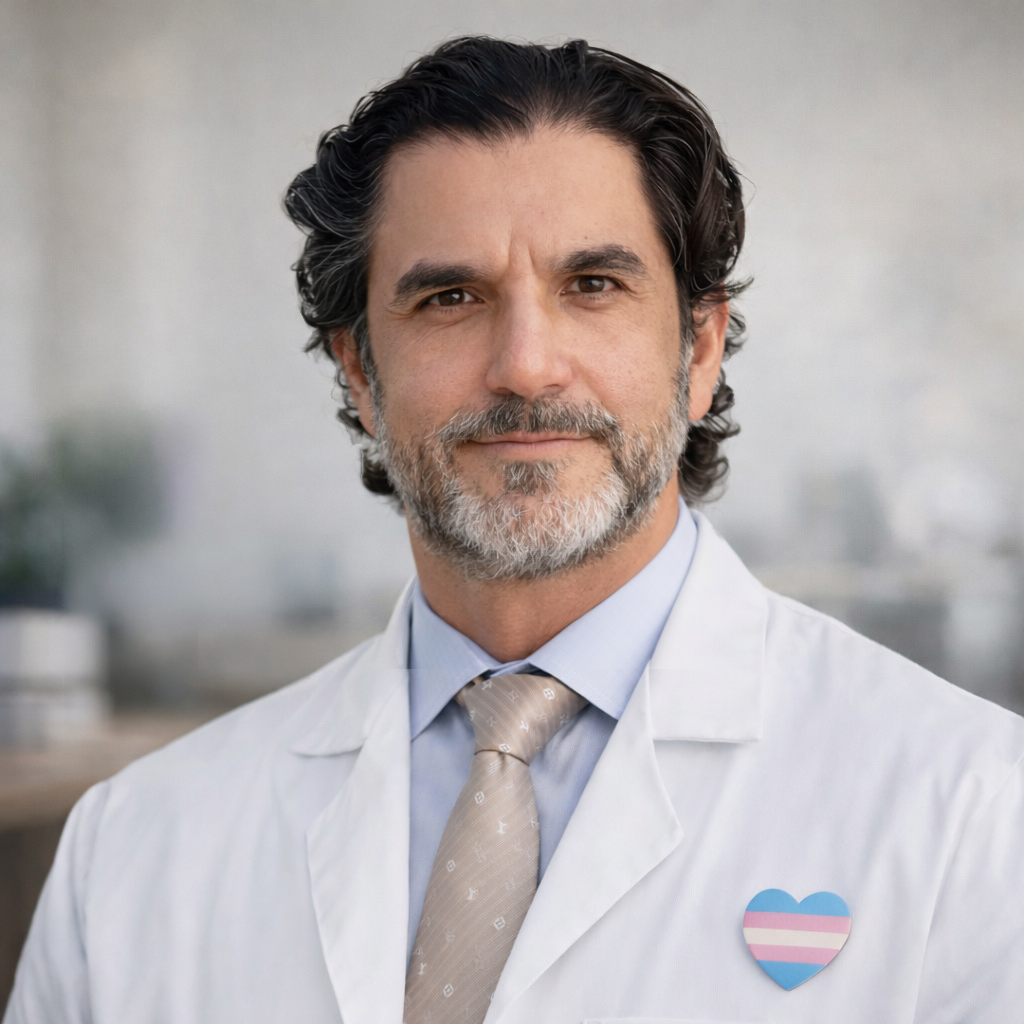
Meet Dr. David Sayah
Dr David Sayah is a board certified plastic surgeon in Beverly Hills known for his natural approach to aesthetic surgery. With more than 26 years of experience, he combines surgical precision with artistic insight to deliver balanced and refined results. His philosophy centers on enhancing individual beauty rather than changing it.
A graduate of the UCLA School of Medicine and a Fellow of the American College of Surgeons, Dr Sayah trained at leading medical centers including NYU and UCLA. His work in wound healing and scar formation research helps patients heal beautifully with minimal scarring. Fluent in five languages, he welcomes patients from Beverly Hills, Los Angeles, and across the world who seek exceptional, natural results.
Begin Your Plastic Surgery Journey in Beverly Hills
If you are considering plastic surgery and want expert guidance throughout your entire journey, contact Chrisalys today to schedule your consultation. We will discuss your aesthetic goals, answer all questions, and provide the personalized care you deserve. Dr. Sayah and our dedicated team look forward to helping you achieve beautiful, natural-looking results that enhance your confidence and quality of life.