A twisted or severely deviated nose creates significant facial asymmetry, affects breathing substantially, and often results from traumatic injury or developmental abnormalities requiring complex reconstruction. At Chrisalys, we offer expert twisted nose correction to straighten severely deviated nasal structures.
Dr. David N. Sayah brings over 26 years of experience to every twisted nose reconstruction. He is a board-certified plastic surgeon and Fellow of the American College of Surgeons. His specialized training at UCLA Medical Center in both cosmetic and reconstructive rhinoplasty, combined with his extensive experience managing complex nasal deviation, allows him to address even severe twisting while restoring proper breathing function. Our Los Angeles and Beverly Hills practice serves patients seeking to straighten twisted noses, restore facial symmetry, and create balanced proportions that enhance both appearance and respiratory capacity.
Understanding Twisted Nose Deformity
A twisted nose, also called a severely deviated or C-shaped nose, describes extreme nasal deviation where the nose curves or twists away from the facial midline. This often involves multiple segments deviating in different directions creating complex deformity. Unlike simple crooked noses with single-plane deviation, twisted noses present intricate three-dimensional distortions requiring sophisticated reconstruction.
The condition manifests in several characteristic patterns:
- C-Shaped Deviation: Where entire nose curves in one direction
- S-Shaped Deviation: With upper and lower segments twisting opposite directions
- Rotational Twist: Where nose appears turned on its axis
- Combination Deformities: Involving multiple deviation planes simultaneously creating severe asymmetry
Twisted noses develop through various mechanisms affecting nasal structural integrity. Severe traumatic injury from significant impact creates multiple fractures. Untreated or poorly treated nasal fractures heal in twisted position. Progressive developmental deviation during adolescent growth. Previous unsuccessful rhinoplasty further distorts already compromised anatomy. Congenital abnormalities present from birth create severe structural deviation requiring comprehensive reconstruction.
“Correcting a twisted nose represents one of rhinoplasty’s most technically demanding procedures,” explains Dr. Sayah. “The complexity exceeds simple straightening because multiple anatomical components deviate in different directions, requiring comprehensive reconstruction addressing bones, cartilage, and septum simultaneously. Success demands meticulous surgical planning, precise execution, and often substantial structural grafting to maintain correction long-term. My extensive experience with complex nasal reconstruction allows me to achieve excellent outcomes even in severely twisted cases others might consider too challenging.”


Impact of Twisted Nose on Function and Appearance
Twisted noses create both significant aesthetic concerns and substantial functional problems affecting breathing and quality of life:
- Severe Facial Asymmetry: Twisted noses dominate facial appearance creating obvious imbalance. Nose appearing severely off-center draws immediate attention. Facial asymmetry affects overall aesthetic harmony substantially. Profile appearance varies dramatically depending on viewing side. Obvious deformity causes significant self-consciousness and distress.
- Breathing Difficulties: Internal deviation accompanying external twist creates severe obstruction. Narrowed or blocked airways from internal structural deviation. Severe difficulty breathing through one or both nostrils. Mouth breathing becomes necessary affecting sleep quality. Exercise limitations from inadequate nasal airflow capacity.
- Sinus Problems: Twisted anatomy affects drainage and sinus function. Poor sinus drainage leads to recurrent infections. Chronic congestion and facial pressure cause discomfort. Reduced sense of smell from persistent obstruction. Ongoing sinusitis requires frequent medical treatment.
- Psychological Impact: The visible deformity creates substantial emotional distress. Severe self-consciousness about obvious facial asymmetry. Avoidance of social situations or photographs. Impact on professional confidence and personal relationships. Depression or anxiety related to facial appearance affects wellbeing.
- Functional Limitations: Daily activities become challenging. Difficulty wearing glasses due to asymmetric nasal bridge. Problems with nasal breathing during physical activity. Sleep disturbances from mouth breathing and obstruction. Overall reduced quality of life from combined concerns.
Our Advanced Twisted Nose Reconstruction Techniques in Los Angeles
We employ comprehensive reconstruction approaches to straighten twisted noses, addressing all deviated components while creating structural stability preventing recurrent deviation.
- Complete Septal Reconstruction: The internal septum typically deviates severely in twisted noses requiring extensive correction. Removal of severely deviated portions of septal cartilage. Preservation of usable cartilage for grafting purposes. Straightening and reinforcement of remaining septum. Reconstruction of straight midline support preventing recurrent deviation.
- Osteotomies for Bone Realignment: Twisted nasal bones require controlled fractures for repositioning. Multiple osteotomies allow bone mobilization from deviated position. Strategic fracture patterns enable complex repositioning. Precise repositioning centers bones on facial midline. Secure positioning maintains alignment during healing.
- Cartilage Framework Reconstruction: Upper and lower lateral cartilages often require extensive reshaping. Straightening of twisted cartilaginous structures. Reinforcement with spreader grafts prevents collapse. Creation of symmetric framework supporting straight contours. Comprehensive approach addresses all cartilage components.
- Structural Grafting for Stability: Maintaining correction requires substantial grafting preventing recurrent twist. Spreader grafts along septum provide midline support. Batten grafts reinforce sidewalls preventing asymmetric collapse. Dorsal grafts maintain straight bridge contour. Tip grafts ensure symmetric tip positioning.
- Camouflage Grafting: Residual asymmetries sometimes require camouflage. Onlay grafts fill depressions creating smoother appearance. Strategic placement masks irregularities. Soft tissue management addresses thickness variations. Comprehensive approach creates symmetric external appearance.

Cartilage Sources for Twisted Nose Reconstruction in Beverly Hills
Twisted nose correction typically requires substantial cartilage grafting, making graft source selection critical for adequate reconstruction material availability.
- Septal Cartilage: Even in twisted noses, some usable septal cartilage often remains. Harvested straight portions provide foundation for reconstruction. Strong cartilage ideal for spreader and other structural grafts. Limited volume requires supplementation from other sources. First choice when adequate tissue exists.
- Ear Cartilage: Conchal cartilage supplements septal grafts when additional material needed. Bilateral harvest provides moderate volume from both ears. Natural curve useful for certain applications. Adequate for moderate twisted nose corrections. Minimally invasive harvest with hidden scars.
- Rib Cartilage: Severe twisted nose deformities almost always require rib cartilage. Abundant strong material ideal for extensive reconstruction needs. Exceptional strength prevents recurrent deviation. Allows comprehensive rebuilding with substantial grafting. Standard choice for complex twisted nose corrections.
Most severely twisted noses require rib cartilage due to the extensive grafting necessary for adequate structural support and maintained straightening over time.
Recovery After Twisted Nose Correction
Recovery from twisted nose correction involves extended healing due to the extensive reconstruction and structural grafting required for adequate straightening.
- First Week: Nasal splint protects reconstructed structures during initial healing. Significant swelling normal due to extensive work required. Splint removal around day 7 reveals substantially straighter nose though swelling obscures refined contours. Pain well-controlled with prescribed medication.
- Weeks 2-4: Progressive swelling reduction allows increasingly apparent straightening. Breathing improvement often dramatic despite swelling as internal structures opened. Most patients return to work within 2-3 weeks. Avoid activities risking trauma that could displace grafts.
- Months 2-6: Continued gradual improvement as swelling slowly resolves. Straightened nose becomes clearly apparent with improved symmetry. Breathing reaches maximum improvement as structures fully heal. Facial balance appears restored.
- Months 6-12: Final refinement occurs as last swelling disappears. Cartilage grafts fully integrate with surrounding tissues. Nose assumes permanent straightened contour with natural appearance. Results remain stable long-term.
- Long-Term Results: Properly performed twisted nose correction provides permanent improvement in both appearance and breathing. Substantial grafting maintains straightening preventing recurrent deviation. Results require no maintenance with properly executed reconstruction.
Patients requiring rib cartilage also experience chest incision healing, typically involving mild soreness for 1-2 weeks that resolves completely without long-term issues.
Why Choose Chrisalys for Twisted Nose Correction
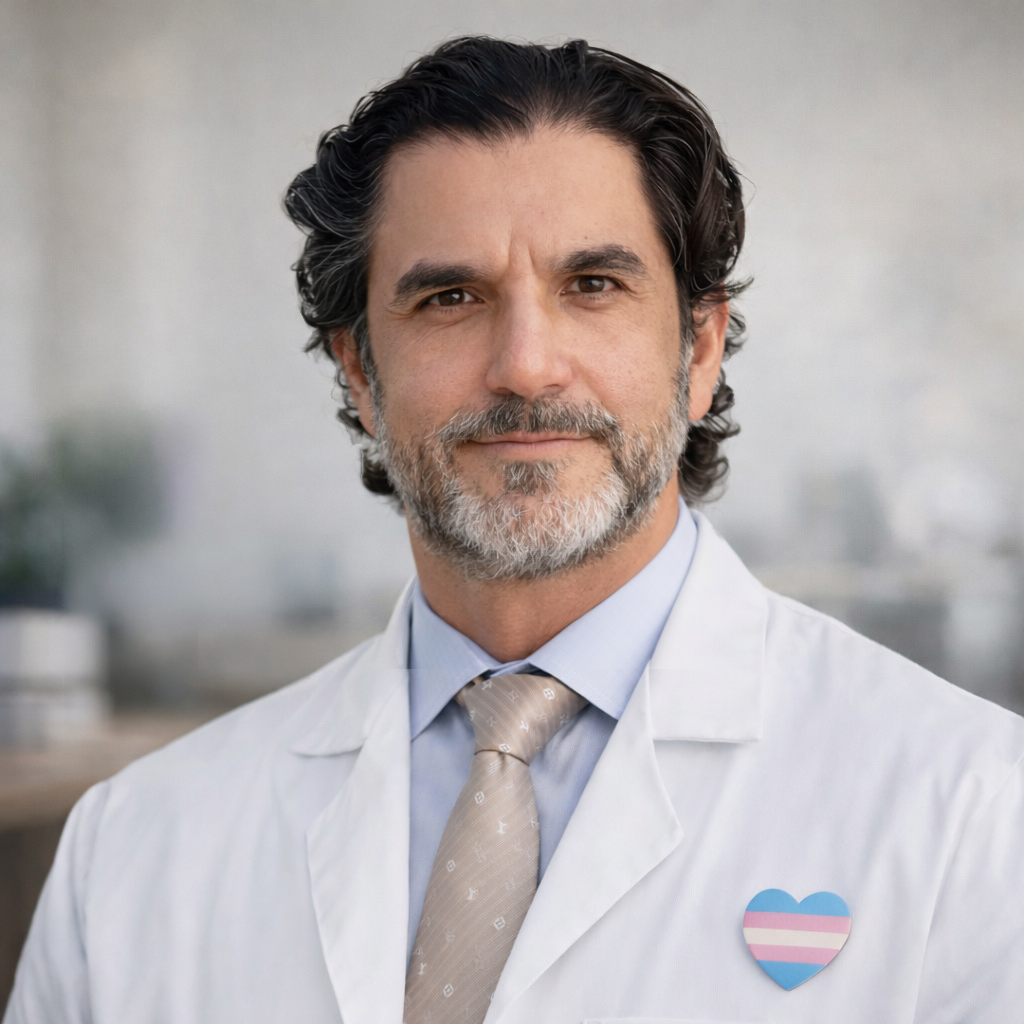
Dr. Sayah’s comprehensive training at UCLA Medical Center includes extensive experience with complex nasal reconstruction and severe deviation correction techniques necessary for twisted nose repair. His 26 years of surgical experience encompasses numerous successful corrections of dramatically twisted noses. Patients consistently praise both the aesthetic and functional improvement achieved.
As a board-certified plastic surgeon and Fellow of the American College of Surgeons, Dr. Sayah maintains the highest standards of surgical excellence and patient safety. His extensive experience with rib cartilage harvesting and structural reconstruction provides the specialized skills necessary for even severe twisting requiring comprehensive rebuilding.
His artistic background provides the visual acuity necessary to assess complex three-dimensional deviations and create symmetric corrections. Our fully accredited surgery center in Beverly Hills features state-of-the-art equipment and maintains rigorous safety protocols appropriate for complex reconstructive procedures.
Patients throughout Los Angeles trust us for twisted nose correction that delivers substantial straightening, improved breathing, and natural results that restore facial symmetry and eliminate severe deformity.
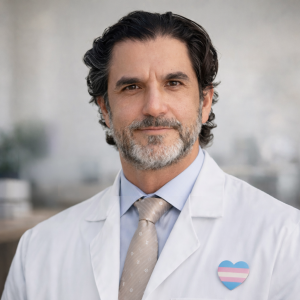
Meet Dr. David Sayah
Dr David Sayah is a board certified plastic surgeon in Beverly Hills known for his natural approach to aesthetic surgery. With more than 26 years of experience, he combines surgical precision with artistic insight to deliver balanced and refined results. His philosophy centers on enhancing individual beauty rather than changing it.
A graduate of the UCLA School of Medicine and a Fellow of the American College of Surgeons, Dr Sayah trained at leading medical centers including NYU and UCLA. His work in wound healing and scar formation research helps patients heal beautifully with minimal scarring. Fluent in five languages, he welcomes patients from Beverly Hills, Los Angeles, and across the world who seek exceptional, natural results.
Schedule Your Twisted Nose Consultation in Los Angeles
If a twisted or severely deviated nose is affecting your appearance, breathing, and quality of life, we can help. Contact Chrisalys today to schedule your consultation.
We will evaluate your specific deviation and create a personalized treatment plan. Dr. Sayah will explain how comprehensive reconstruction can straighten your nose, restore facial symmetry, and create the balanced, functional appearance you deserve.