Breast Implant Illness (BII) describes a constellation of systemic symptoms that some women attribute to their breast implants. While medical consensus on BII remains evolving, many patients report significant symptom improvement following implant removal. At Chrisalys, we provide compassionate evaluation and treatment for patients throughout Los Angeles and Beverly Hills experiencing symptoms potentially related to breast implants.
Dr. David N. Sayah is a board-certified plastic surgeon with over 26 years of experience. His specialized training at UCLA Medical Center and his status as a Fellow of the American College of Surgeons ensure comprehensive, respectful care for patients with BII concerns. Our Los Angeles practice serves patients seeking honest evaluation, thorough discussion of implant removal options, and expert surgical explantation when desired.
Doctor Sayah and staff are so wonderful. My daughter, my bestie and me have only the best things to say about his work. Sayah is brilliant, charming, patient, and took his time to approach perfection with us all. His entire staff is wonderful, especially Jessie. He did my daughter’s and my Bestie’s breast and after I seen their results… I went for a tummy tuck, hernia repair, fillers and BBL.
In the future, my other best friend and mother are going to him….words can’t express my satisfaction with Dr. Sayah.
Understanding Breast Implant Illness
Breast Implant Illness represents a patient-reported syndrome describing various systemic symptoms that some women believe relate to their breast implants. The medical community continues researching this condition. While definitive causation remains unproven, many patients report symptom resolution following implant removal. This supports patient autonomy in choosing explantation when symptoms affect quality of life.
Common BII symptoms reported include chronic fatigue and exhaustion, joint and muscle pain, cognitive difficulties including brain fog, anxiety or depression, hair loss, skin problems or rashes, autoimmune-like symptoms, sleep disturbances, gastrointestinal issues, heart palpitations, recurring infections, and sensitivity or allergic reactions.
“I approach breast implant illness concerns with respect and compassion,” explains Dr. Sayah. “While medical research continues evolving, I prioritize listening to patients experiencing concerning symptoms. If you believe your implants contribute to health problems, we can discuss removal options that respect your concerns while ensuring surgical safety. Many patients report substantial symptom improvement after explantation, though I cannot guarantee outcomes. My role is providing expert surgical care supporting your health decisions.”
Evaluating Symptoms and Making Decisions
Determining whether implants contribute to symptoms requires careful evaluation and informed decision-making.
- Symptom Documentation: Thorough tracking helps evaluate patterns. Document all symptoms experienced with onset timing, severity variations, progression over time, and relationship to implant placement timeline. Assess impact on daily function and quality of life. Compare symptoms to pre-implant baseline when possible. Comprehensive documentation helps evaluate potential connections.
- Medical Evaluation: Rule out other potential causes before attributing symptoms to implants. Complete medical workup by primary care physician. Evaluation for autoimmune conditions or other disorders. Assessment of hormonal factors and nutritional deficiencies. Consideration of medication side effects or interactions. Comprehensive evaluation ensures appropriate attribution.
- Shared Decision-Making: We discuss all considerations helping you make informed choices. Review of symptoms and potential causes. Discussion of implant removal benefits and risks. Consideration of alternative treatments or explanations. Realistic expectations about symptom resolution likelihood. Support for your autonomous healthcare decisions.
Implant Removal Options for BII in Beverly Hills
When patients choose explantation for BII concerns, several surgical approaches exist with varying comprehensiveness.
Standard Explantation
Traditional removal extracts implants without capsule. This is faster surgery with less tissue trauma. Lower complication risk compared to en bloc. Adequate for many patients seeking removal. Capsule remains but may resorb naturally over time.
En Bloc Capsulectomy
This removes implant with intact surrounding capsule tissue. Preferred by many BII patients concerned about silicone exposure. More complete removal of all implant-associated material. More complex surgery requiring experienced surgeon. Higher risk of complications due to extensive dissection. Provides psychological reassurance for concerned patients.
Total Capsulectomy
Removes all capsule tissue after implant extraction. More thorough than standard explantation. Less complex than en bloc technique. Balances complete removal with surgical safety. Suitable option for many BII patients.
We discuss advantages and limitations of each approach helping you select the method aligning with your concerns and priorities while maintaining surgical safety.
What to Expect During BII Explantation Surgery
The specific surgical experience depends on removal technique chosen and whether additional procedures are planned.
We perform explantation at Chrisalys’s fully accredited surgery center under general anesthesia ensuring complete comfort. Surgery typically takes 1-3 hours depending on technique complexity and whether simultaneous procedures are performed. En bloc removal requires more operative time given meticulous capsule dissection needs.
Dr. Sayah accesses implants through previous incision sites when possible. He carefully removes implants using chosen technique. For en bloc removal, he meticulously dissects entire capsule keeping it intact around implant. He removes all implant-related material as completely as safely possible. If desired, he performs simultaneous breast lift addressing tissue laxity. He closes incisions meticulously using plastic surgery techniques.
Recovery After Explantation for Breast Implant Illness
Recovery timeline varies based on removal technique and whether additional procedures were performed.
- First Week: Rest at home allowing surgical sites to heal. Some discomfort is normal, well-controlled with prescribed medication. Surgical bra or compression garment provides support. Swelling and bruising expected, gradually improving daily. Light walking encouraged, avoid strenuous activity.
- Weeks 2-4: Progressive improvement in comfort and swelling. Most patients return to desk work within 1-2 weeks. Light exercise like walking permitted. Upper body exercises remain restricted. Continue wearing supportive garments. Incisions healing well.
- Months 2-3: Substantial improvement with most swelling resolved. Breasts settling into final appearance without implants. Scars maturing and fading progressively. Resume normal activities including exercise as approved. Many patients report beginning symptom improvement.
- Months 3-6: Continued improvement in breast contours. Scars continuing to fade and flatten. Final breast shape evident after tissue settling. Many BII patients report significant symptom resolution by this timeframe though individual experiences vary.
- Symptom Resolution Timeline: Some patients notice improvement within weeks while others require months. Complete resolution may take 6-12 months or longer. Not all symptoms resolve in every patient. Individual experiences vary significantly. Realistic expectations about uncertain outcomes are important.
Frequently Asked Questions About Breast Implant Illness
-
The exact cause of BII remains unclear and continues being researched. Theories include immune response to implant materials, silicone leakage triggering reactions, bacterial contamination of implants, toxic substances released from implants, or pre-existing conditions exacerbated by implants. Medical research has not definitively established causation, though patient reports of symptom improvement after removal remain significant.
-
While many patients report substantial symptom improvement following implant removal, outcomes cannot be guaranteed. Some patients experience complete resolution. Others notice partial improvement. Some report no significant change. Individual experiences vary widely. Realistic expectations about uncertain outcomes are essential when considering explantation for BII symptoms.
-
The choice depends on your concerns and priorities. En bloc removal provides more complete material extraction appealing to patients worried about silicone exposure but involves more complex surgery with higher complication risks. Standard explantation is safer and faster but leaves capsule tissue that typically resorbs naturally. We discuss both options helping you make informed decisions.
-
Symptom resolution timelines vary significantly among patients. Some notice improvement within weeks. Others require several months. Complete resolution may take 6-12 months or longer. Not all symptoms resolve in every patient. Tracking symptoms before and after surgery helps evaluate changes objectively over appropriate timeframes.
-
Yes, reconstruction options exist after implant removal. Some patients choose immediate lift during explantation surgery. Others prefer waiting several months ensuring complete healing before considering reconstruction. Fat grafting provides natural volume restoration. Some patients ultimately embrace their natural breasts without additional procedures. We discuss all options based on your goals.
-
Insurance coverage for BII-related explantation varies by plan and specific circumstances. Some insurers cover removal when medical necessity is documented. Others consider it cosmetic. Our practice can provide documentation for insurance consideration though coverage is not guaranteed. Many patients choose to proceed regardless of coverage given symptom severity.
Why Choose Chrisalys for BII Treatment in Los Angeles
Dr. Sayah’s comprehensive training at UCLA Medical Center includes extensive experience with breast implant removal and complex capsulectomy procedures. His 26 years of surgical experience ensures expert technique whether performing standard explantation or intricate en bloc removal procedures.
As a board-certified plastic surgeon and Fellow of the American College of Surgeons, Dr. Sayah maintains the highest standards of surgical excellence and patient safety. His compassionate approach respects patient concerns while providing honest, realistic guidance about explantation outcomes and symptom resolution expectations.
Our fully accredited surgery center in Beverly Hills features state-of-the-art equipment and maintains rigorous safety protocols. Patients throughout Los Angeles trust us for breast implant illness evaluation and treatment that prioritizes patient autonomy, surgical expertise, and compassionate care supporting informed healthcare decisions.
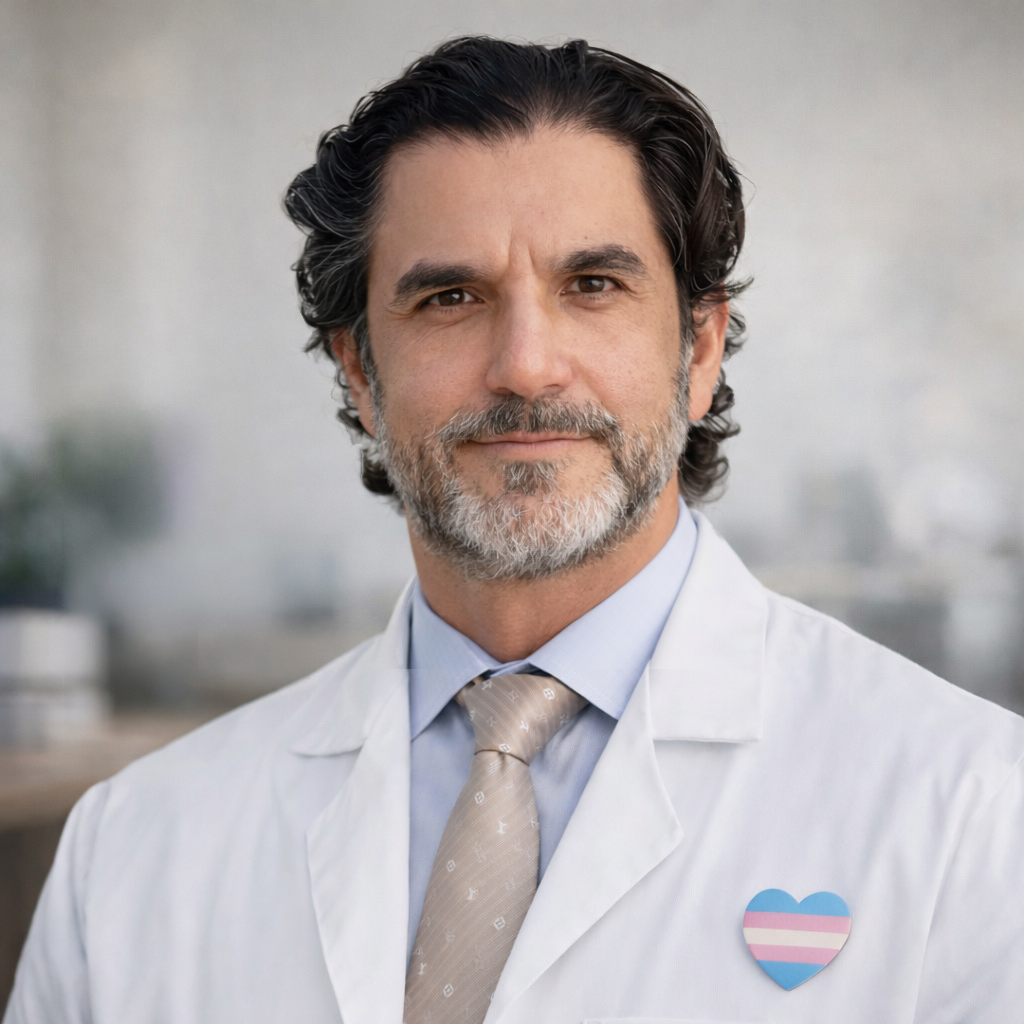
Meet Dr. David Sayah
Dr David Sayah is a board certified plastic surgeon in Beverly Hills known for his natural approach to aesthetic surgery. With more than 26 years of experience, he combines surgical precision with artistic insight to deliver balanced and refined results. His philosophy centers on enhancing individual beauty rather than changing it.
A graduate of the UCLA School of Medicine and a Fellow of the American College of Surgeons, Dr Sayah trained at leading medical centers including NYU and UCLA. His work in wound healing and scar formation research helps patients heal beautifully with minimal scarring. Fluent in five languages, he welcomes patients from Beverly Hills, Los Angeles, and across the world who seek exceptional, natural results.
Schedule Your BII Consultation in Beverly Hills
If you are experiencing symptoms potentially related to breast implants and considering removal, we offer compassionate evaluation and expert surgical care. Contact Chrisalys today to schedule your consultation.
We will discuss your symptoms, review your concerns, and provide honest guidance about explantation options. Dr. Sayah will help you make informed decisions supporting your health and wellbeing.