For women who have undergone mastectomy or lumpectomy, breast reconstruction offers the opportunity to restore breast contours, reclaim body confidence, and complete the journey beyond cancer treatment. At Chrisalys, we provide comprehensive breast reconstruction surgery to patients throughout Los Angeles and Beverly Hills using advanced techniques that create natural-looking results while honoring each woman’s unique aesthetic goals and medical history.
Dr. David N. Sayah is a board-certified plastic surgeon with over 26 years of experience in both cosmetic and reconstructive breast surgery. His specialized training at UCLA Medical Center includes extensive research in breast reconstruction techniques, wound healing, and tissue transfer procedures. As a Fellow of the American College of Surgeons with published research on free flap reconstruction and bilateral breast reconstruction, Dr. Sayah brings exceptional surgical expertise and compassionate care to every reconstruction procedure, helping women restore both physical appearance and emotional wellbeing after cancer treatment.
Specialized Approach to Breast Reconstruction
Dr. Sayah’s comprehensive approach to reconstruction extends beyond simply rebuilding breast shape. He carefully evaluates each patient’s unique anatomy, cancer treatment history, tissue quality, and personal goals to determine the optimal reconstruction strategy. His extensive research background in microsurgery and tissue reconstruction allows him to perform both implant-based and autologous tissue procedures with exceptional results. Whether you prefer the straightforward approach of implant reconstruction or the natural advantages of your own tissue, Dr. Sayah’s expertise ensures outcomes that restore feminine contours and enhance quality of life.
Understanding Breast Reconstruction Options
Breast reconstruction rebuilds breast shape and contour after mastectomy or lumpectomy using implants, your own tissue, or a combination of both techniques. The procedure can be performed immediately during cancer surgery or delayed until after completing additional treatments like chemotherapy or radiation. Federal law mandates that insurance companies covering mastectomy must also cover reconstruction, including procedures on the opposite breast to achieve symmetry.
Modern reconstruction techniques allow Dr. Sayah to create natural-looking breasts that restore body proportion and enhance confidence. The approach selected depends on several factors including the extent of tissue removal, whether radiation therapy was performed or planned, your body habitus and available donor tissue, your personal preferences regarding implants versus natural tissue, and the timing that works best with your cancer treatment plan.

Implant-Based Reconstruction Techniques
Implant reconstruction represents the most common approach, offering excellent results with a more straightforward surgical process and recovery compared to tissue flap procedures.
- Direct-to-Implant Reconstruction: When adequate skin and tissue remain after mastectomy, immediate implant placement creates breast shape in a single surgery. This approach works best for smaller breasts, patients not requiring radiation, those with adequate tissue coverage, and women preferring straightforward reconstruction. The procedure offers shorter surgery time, single recovery period, and immediate restoration of breast contour.
- Tissue Expander Reconstruction: When insufficient skin or tissue remains, a temporary expander is placed first and gradually filled with saline over several weeks or months to stretch the tissue. Once desired size is achieved, the expander is replaced with a permanent silicone or saline implant in a second surgery. This staged approach accommodates radiation therapy, allows gradual tissue expansion, provides flexibility in final size, and suits patients with limited remaining tissue.
- Implant Selection: Modern breast implants offer various options including form-stable cohesive silicone gel implants that maintain shape and feel natural, smooth or textured surfaces based on surgical technique and goals, round or anatomical shapes depending on desired breast contour, and various sizes and projections customized to body proportions and aesthetic preferences.
Autologous Tissue Reconstruction
Tissue flap reconstruction uses your own tissue from another body area to rebuild the breast, creating results that look, feel, and move like natural breasts while providing permanent reconstruction without implant-related concerns.
- TRAM Flap Reconstruction: The transverse rectus abdominis myocutaneous flap uses abdominal skin, fat, and muscle to reconstruct the breast, essentially performing a tummy tuck while creating the new breast. This technique offers abundant tissue for larger breast reconstruction, natural breast feel and appearance, and simultaneous abdominal contouring benefit. The procedure requires longer surgery and recovery, involves abdominal muscle sacrifice creating potential weakness, and suits patients with adequate abdominal tissue.
- DIEP Flap Reconstruction: The deep inferior epigastric perforator flap represents the most advanced tissue reconstruction technique, using only abdominal skin and fat while preserving all muscle. This microsurgical procedure offers the most natural reconstruction results, maintains complete abdominal muscle function, reduces donor site complications, and provides excellent long-term outcomes. The surgery requires specialized microsurgical expertise, involves longer operative time, and depends on adequate blood vessel anatomy.
- Latissimus Dorsi Flap: This technique uses muscle, skin, and fat from the upper back to reconstruct the breast, often combined with an implant for adequate volume. The approach works well after radiation therapy, provides reliable blood supply and healing, suits patients lacking adequate abdominal tissue, and creates natural upper breast contour. The procedure typically requires implant supplementation for sufficient size, may create back contour changes, and involves additional donor site scar.


Achieving Breast Symmetry
Reconstruction often includes procedures on the opposite breast to create balanced, symmetric appearance since cancer treatment affects only one side in most cases.
- Breast Reduction: When the natural breast is significantly larger than the reconstructed breast, reduction creates better balance and proportion while relieving physical symptoms from large breast size.
- Breast Lift: Ptotic breasts can be lifted to match the position and projection of the reconstructed breast, ensuring both breasts sit at the same height with similar contours.
- Breast Augmentation: In select cases, augmentation of the natural breast provides better symmetry with the reconstructed breast, particularly when tissue flap creates larger reconstruction than the existing breast.
Nipple and Areola Reconstruction
Completing the reconstruction includes recreating the nipple and areola, typically performed several months after the initial reconstruction once the breast has settled into its final position.
- Nipple Reconstruction: Local tissue flaps create three-dimensional nipple projection using skin from the reconstructed breast. The procedure involves relatively minor outpatient surgery, creates permanent nipple presence, and can be adjusted for size and projection preferences.
- Areola Tattooing: Medical tattooing creates realistic areola pigmentation matching the natural breast color and size. This non-surgical procedure completes the reconstruction, requires no recovery time, and provides customizable color and dimension. Touch-up tattooing may be needed over time as pigment naturally fades.
The reconstruction process typically involves multiple stages regardless of technique, with tissue expander placement requiring subsequent implant exchange, autologous reconstruction often needing minor revisions for optimal symmetry, opposite breast procedures to achieve balance, and nipple-areola reconstruction completing the process. Most patients find the staged approach manageable and appreciate progressive improvement toward the final result.
What to Expect From Your Reconstruction
Reconstruction timing and approach depend on your individual cancer treatment plan, with options for immediate or delayed reconstruction based on medical and personal factors.
- Immediate Reconstruction: Performed during the same surgery as mastectomy, immediate reconstruction offers the advantage of waking with breast contours already restored. This approach provides psychological benefit of never experiencing complete breast absence, requires only one general anesthesia and recovery period, and often achieves better aesthetic outcomes by preserving skin envelope. However, it extends initial surgery time and may complicate cancer treatment decisions.
- Delayed Reconstruction: Performed months or years after mastectomy, delayed reconstruction allows completion of all cancer treatments first and provides time for physical and emotional healing before reconstruction. This approach suits women requiring radiation therapy, allows recovery from cancer treatment before additional surgery, and provides time for careful reconstruction planning. Many women find delayed reconstruction equally satisfying once completed.
Recovery After Breast Reconstruction
Recovery varies significantly based on reconstruction type, with implant procedures generally involving easier recovery than tissue flap reconstruction.
- Implant Reconstruction Recovery: Hospital stay typically one to two days for direct-to-implant or expander placement. Discomfort managed with prescribed medication proving quite tolerable. Surgical drains removed within one to two weeks once drainage diminishes. Return to desk work within two to three weeks depending on overall health. Tissue expansion visits occur weekly if expanders were placed. Complete recovery takes four to six weeks before resuming normal activities.
- Tissue Flap Reconstruction Recovery: Hospital stay of three to five days for TRAM or DIEP flap procedures. More significant discomfort from both breast and donor site incisions. Surgical drains at both sites require management for two to three weeks. Limited mobility initially protecting healing tissue flaps and donor sites. Return to work in four to six weeks once adequate healing occurs. Complete recovery takes two to three months before resuming all activities.

Why Choose Us for Reconstruction After Breast Cancer Removal
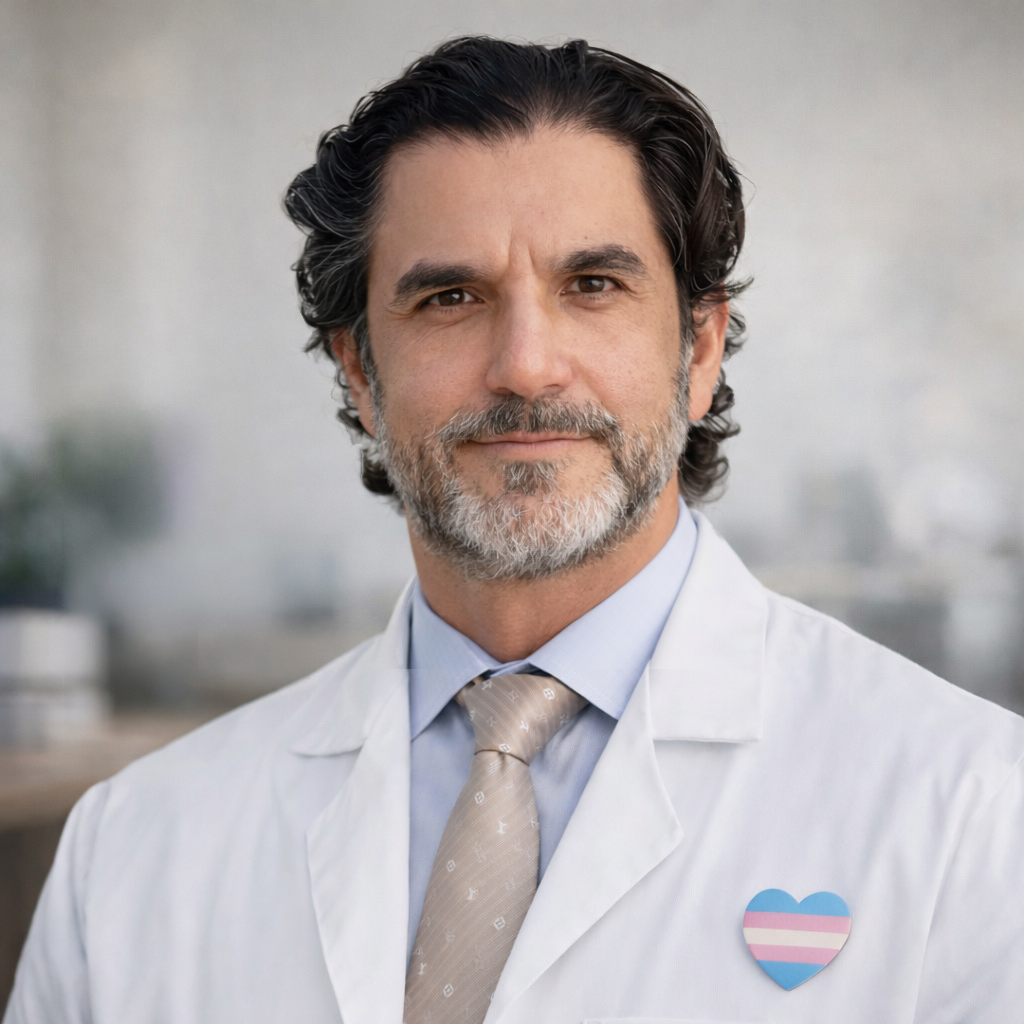
Dr. Sayah’s extensive research background in breast reconstruction uniquely qualifies him to perform complex reconstructive procedures. His published work on TRAM flap reconstruction, bilateral reconstruction techniques, and free flap procedures demonstrates his expertise in advanced surgical approaches. As a Fellow of the American College of Surgeons and Diplomate of the American Board of Plastic Surgery, he maintains the highest standards of surgical excellence. His clinical faculty positions at Cedars-Sinai Medical Center and USC reflect his commitment to advancing reconstructive techniques and training future surgeons. Fluent in English, French, Spanish, Farsi, and Italian, Dr. Sayah serves a diverse international patient community seeking expert reconstruction after cancer treatment.
Meet Dr. David Sayah
Dr David Sayah is a board certified plastic surgeon in Beverly Hills known for his natural approach to aesthetic surgery. With more than 26 years of experience, he combines surgical precision with artistic insight to deliver balanced and refined results. His philosophy centers on enhancing individual beauty rather than changing it.
A graduate of the UCLA School of Medicine and a Fellow of the American College of Surgeons, Dr Sayah trained at leading medical centers including NYU and UCLA. His work in wound healing and scar formation research helps patients heal beautifully with minimal scarring. Fluent in five languages, he welcomes patients from Beverly Hills, Los Angeles, and across the world who seek exceptional, natural results.
Begin Your Reconstruction Journey in Los Angeles
If you are preparing for mastectomy or have already completed breast cancer treatment, reconstruction offers the opportunity to restore your body confidence and complete your healing journey. Schedule your consultation at Chrisalys to explore how breast reconstruction can help you reclaim your feminine silhouette and move forward after cancer.
Call us to discuss your reconstruction options with Dr. Sayah and take the first step toward restoring the body contours that cancer treatment altered.