Capsular contracture, the most common complication following breast augmentation, occurs when scar tissue around breast implants hardens and contracts. This creates firmness, distortion, discomfort, and sometimes significant pain that affects quality of life and satisfaction with augmentation results. At Chrisalys, we offer expert capsular contracture treatment to patients throughout Los Angeles and Beverly Hills seeking to restore soft, natural-feeling breasts.
Dr. David N. Sayah is a board-certified plastic surgeon with over 26 years of experience. His specialized training at UCLA Medical Center and his status as a Fellow of the American College of Surgeons provide the advanced expertise necessary for managing this complex condition. With extensive experience in revision breast surgery and capsular contracture correction, Dr. Sayah delivers outcomes that eliminate hardness, restore natural breast feel, and prevent recurrence through comprehensive surgical techniques.
Recently, I was very lucky, to have been referred to Dr. Sayah by my primary care physician, for breast reduction,. I was initially apprehensive, but after my first appointment, talking with Dr Sayah I was amazed at how much time he took to answer all my questions. Safety and the comfort of the patient was his primary consideration. Jesse and Trevana were instrumental in making sure all the necessary forms and procedures were done prior to surgery. The post-op visit again reaffirmed what an excellent surgeon, and caring physician Dr. Sayah turned out to be. I recommend Dr Sayah’s and his staff very strongly!!
Understanding Capsular Contracture Formation
The body naturally forms a capsule of scar tissue around any implanted foreign object, including breast implants. This protective response is completely normal and expected. In most cases, the capsule remains thin, soft, and flexible, allowing breasts to feel natural and move freely. However, in some patients, this capsule becomes abnormally thick, tight, and contracted, creating the condition known as capsular contracture.
The Baker Classification system grades capsular contracture severity on a scale from I to IV. Grade I represents a normal, soft breast indistinguishable from natural tissue. Grade II shows slight firmness but normal appearance. Grade III creates obvious firmness with visible distortion of breast shape. Grade IV causes severe hardness, distortion, and pain requiring prompt treatment.
Several factors may contribute to capsular contracture development. Bacterial contamination during surgery, even at microscopic levels, can trigger excessive scarring. Implant rupture or silicone leakage irritates surrounding tissues. Hematoma or seroma formation creates inflammation. Radiation therapy following breast reconstruction increases risk substantially. Genetic predisposition affects individual healing responses and scarring tendencies.
“Capsular contracture significantly affects patient satisfaction and comfort following breast augmentation,” explains Dr. Sayah. “While we cannot completely prevent this complication, proper surgical technique, meticulous sterility, and careful post-operative management minimize risk. When contracture develops despite preventive measures, comprehensive surgical correction provides relief and restores the soft, natural breast feel you expected from augmentation. My extensive experience allows me to achieve excellent outcomes even in complex cases requiring multiple previous treatments.”
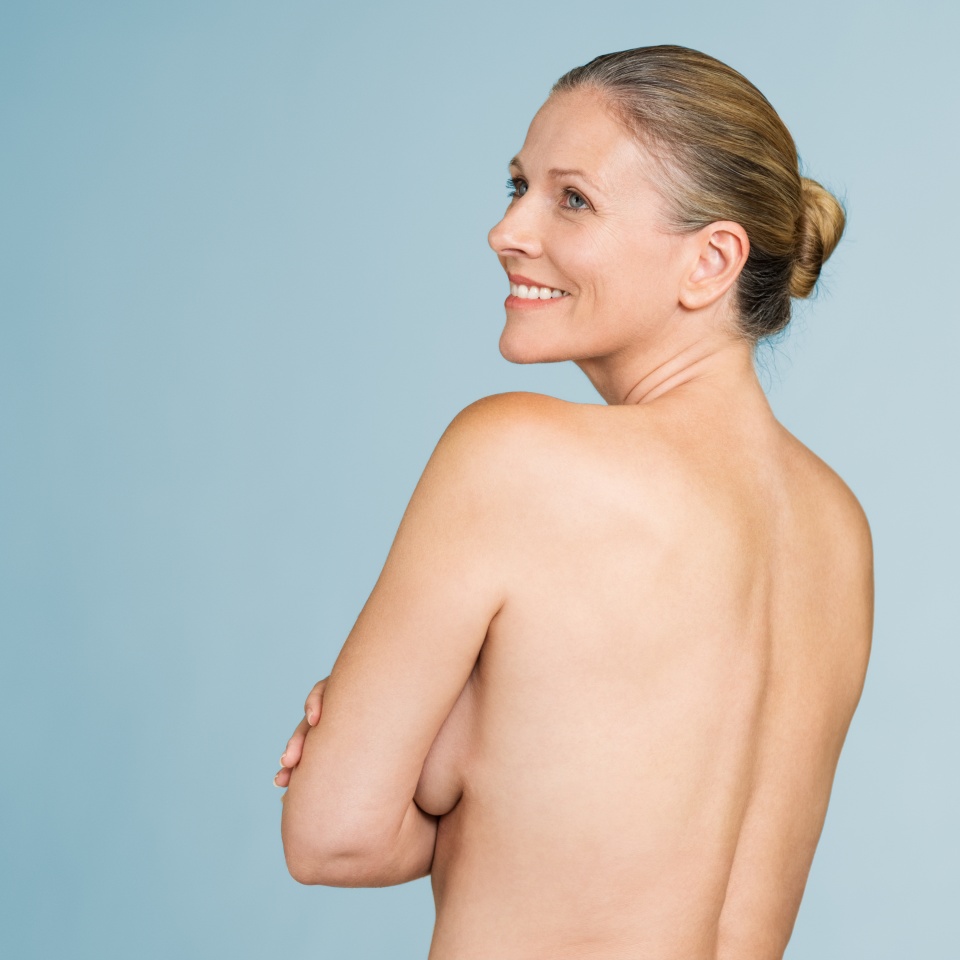

Why Women Seek Capsular Contracture Treatment
Women pursue treatment for capsular contracture when experiencing various symptoms affecting comfort and appearance:
Increasing Breast Firmness
Breasts that were previously soft become progressively harder to touch
Visible Shape Distortion
Unnatural breast contours develop with obvious asymmetry between breasts
Breast Position Changes
Affected breast sits higher on chest than normal or its pair
Progressive Discomfort
Pain or tenderness that increases over time, sometimes becoming severe
Limited Movement
Tightness and restricted mobility from contracted scar tissue
Psychological Impact
Distress from appearance changes and ongoing discomfort affecting confidence
Functional Interference
Constant pain affecting daily activities and quality of life
Not all breast firmness indicates capsular contracture. Normal post-operative swelling initially creates firmness that gradually softens over several weeks. Some degree of firmness is expected with submuscular implant placement. Determining whether firmness represents normal healing or developing contracture requires clinical evaluation by an experienced plastic surgeon familiar with expected healing patterns.
Surgical Treatment Options for Breast Implant Hardening
Several surgical approaches exist for capsular contracture correction, with Dr. Sayah employing the most comprehensive techniques for optimal long-term outcomes.
Complete Capsulectomy
Complete capsulectomy removes all scar tissue surrounding the implant and represents the most thorough treatment approach available. This eliminates the source of contraction completely and offers the best chance of preventing recurrence. Dr. Sayah meticulously removes all thickened scar tissue while preserving surrounding healthy tissue, creating the cleanest environment for new implant placement. When combined with implant exchange, complete capsulectomy provides the gold standard treatment for established capsular contracture.
En Bloc Capsulectomy
En bloc capsulectomy removes the implant with its intact capsule as a single unit, preventing silicone exposure during removal. This technique provides maximum material extraction, appealing to patients concerned about silicone exposure. The procedure requires specialized surgical expertise and involves longer operative time and recovery compared to standard capsulectomy. Some patients prefer this comprehensive removal approach despite the added complexity.
Implant Exchange and Pocket Modification
Implant exchange proves essential for optimal outcomes. Dr. Sayah removes existing implants that may harbor biofilm and places fresh implants in a cleaned pocket. Different implant characteristics–including switching from textured to smooth surfaces–may reduce recurrence risk. The procedure may also involve changing the implant plane from subglandular to submuscular or vice versa, creating a fresh tissue plane that reduces recurrence likelihood. Precise pocket creation ensures proper positioning and optimal aesthetic results.

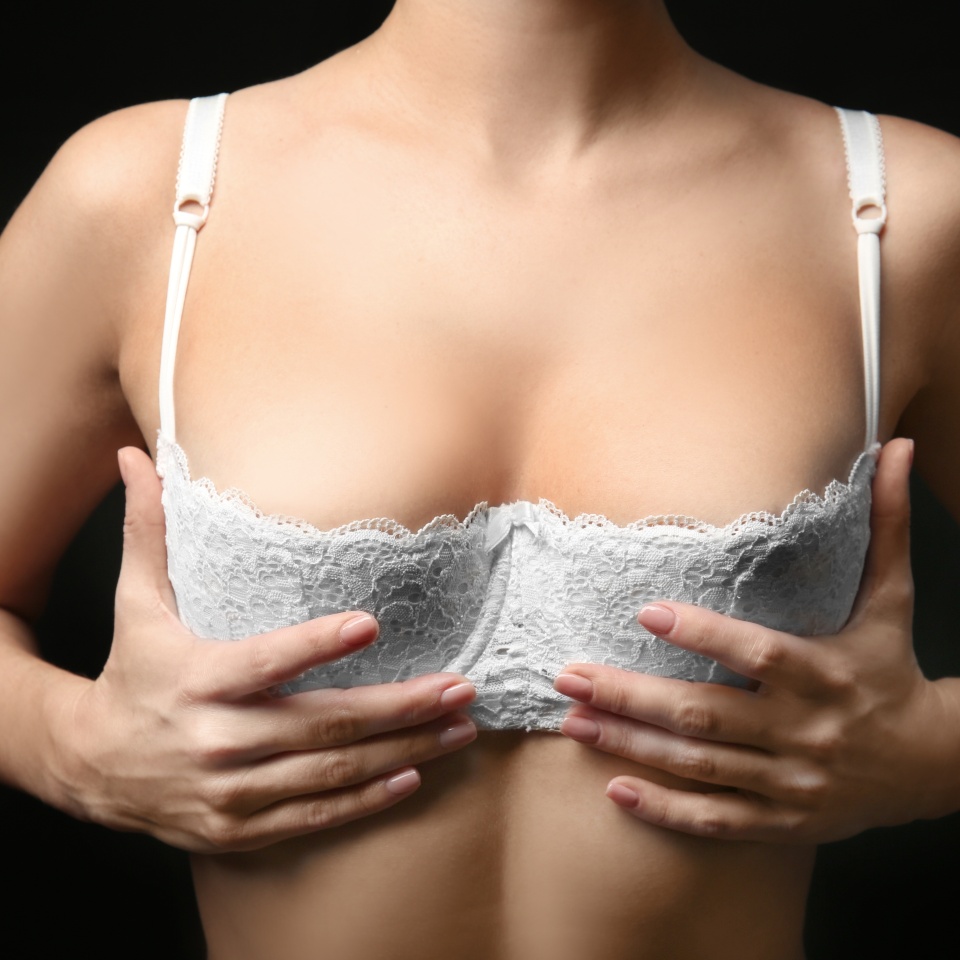
Recovery Timeline After Contracture Surgery
Recovery from capsular contracture correction typically involves more extensive healing compared to primary breast augmentation due to the additional surgical work required.
- The first week requires rest at home with discomfort managed through prescribed pain medication. Surgical bra provides essential support while swelling and bruising gradually improve. Light walking is encouraged while avoiding strenuous upper body movement.
- During weeks two through four, progressive improvement in comfort occurs. Most patients return to desk work within one to two weeks, with light exercise permitted as tolerated. Upper body exercises remain restricted to protect healing tissues.
- From months two through three, substantial improvement becomes evident as most swelling resolves. Natural breast feel returns while scars mature and begin fading. Normal activities including exercise resume as approved, with results becoming increasingly apparent.
- By months three through six, continued refinement occurs as residual swelling disappears. Final breast softness fully develops, with shape and position stabilized in their corrected state. Scars continue fading substantially, with most patients feeling completely satisfied with the softness and appearance achieved.
Our Comprehensive Surgical Approach in Los Angeles
Dr. Sayah employs advanced surgical techniques addressing all aspects of capsular contracture while implementing measures to prevent recurrence. The procedure combines complete capsule removal with bacterial decontamination protocols, including extensive irrigation with antibiotic solution and “no-touch” insertion technique. These comprehensive sterility measures reduce biofilm formation risk significantly.
When indicated, acellular dermal matrix provides additional support by reinforcing tissue integrity and creating a barrier potentially reducing contracture risk. Dr. Sayah individualizes the use of biologic materials based on specific patient circumstances and surgical findings.
The surgery typically requires two to four hours under general anesthesia, depending on contracture severity and whether additional procedures are performed simultaneously. Most patients return home the same day wearing a surgical bra that provides essential support during initial healing.
Preventing Capsular Contracture Recurrence
Preventing contracture recurrence requires comprehensive attention to surgical technique and post-operative care. Meticulous surgical technique during revision proves critical, including absolute sterility throughout the procedure, minimal tissue trauma reducing inflammatory response, precise pocket creation with appropriate sizing, and thorough hemostasis preventing hematoma formation.
Implant selection influences recurrence risk according to research evidence. Textured implants show higher contracture rates than smooth surfaces, while silicone gel implants demonstrate lower rates than saline. Proper sizing prevents excessive tension on tissues, and fresh implants eliminate biofilm concerns from previous devices.
Post-operative care supports optimal healing through massage protocols when recommended, avoiding smoking which impairs healing significantly, maintaining stable weight preventing tissue stress, and prompt treatment of any signs of infection. Regular monitoring allows early intervention if concerns develop.
Frequently Asked Questions About Capsular Contracture
-
The exact cause of capsular contracture remains incompletely understood, though several factors contribute to its development. Bacterial contamination even at microscopic levels can trigger excessive scar formation. Implant characteristics including surface texture affect risk. Genetic predisposition influences individual healing responses. Surgical technique and post-operative factors play important roles. Despite preventive measures, some patients develop contracture without identifiable cause, making it an unpredictable complication.
-
While risk cannot be eliminated entirely, proper surgical technique and careful management significantly reduce occurrence rates. Meticulous sterility during surgery minimizes bacterial contamination. Appropriate implant selection based on research evidence, precise surgical technique with gentle tissue handling, and antibiotic protocols all help. Smooth surface implants show lower rates than textured versions. Despite best practices, some patients still develop contracture due to individual healing responses beyond surgeon control.
-
Recurrence risk exists after any contracture treatment, though comprehensive surgical correction significantly reduces this likelihood. Complete capsulectomy with implant exchange provides best outcomes. Changing implant plane creates a fresh environment, and textured to smooth surface change may reduce risk. Meticulous surgical technique minimizes factors promoting recurrence. Most patients achieve lasting improvement without contracture returning, though no guarantee of permanent resolution exists given the unpredictable nature of scar formation.
-
Severity of discomfort varies significantly among patients and contracture grades. Early grades may cause no pain, only firmness. Progressive contracture often develops increasing discomfort. Severe contracture can cause significant constant pain with tightness and pressure sensations. Some patients experience sharp pains with movement. Pain severity generally correlates with contracture grade, though individual experiences vary. Significant pain warrants evaluation for treatment consideration.
-
Capsular contracture can develop at any time following breast augmentation, from weeks to many years post-operatively. Early contracture within the first year often relates to surgical factors. Late contracture developing after years may involve biofilm accumulation. Most cases manifest within the first few years after surgery. However, contracture can develop even decades after augmentation. Regular monitoring throughout life with implants allows early detection and treatment when necessary.
-
Yes, most patients who undergo successful contracture treatment with complete capsulectomy can have new implants placed during the same surgery. Comprehensive capsule removal creates a clean environment for new implants. Implant exchange rather than removal alone provides continued augmented appearance. Different implant characteristics may reduce recurrence risk when proper surgical technique is employed. Many patients achieve excellent long-term results with new implants after contracture correction.
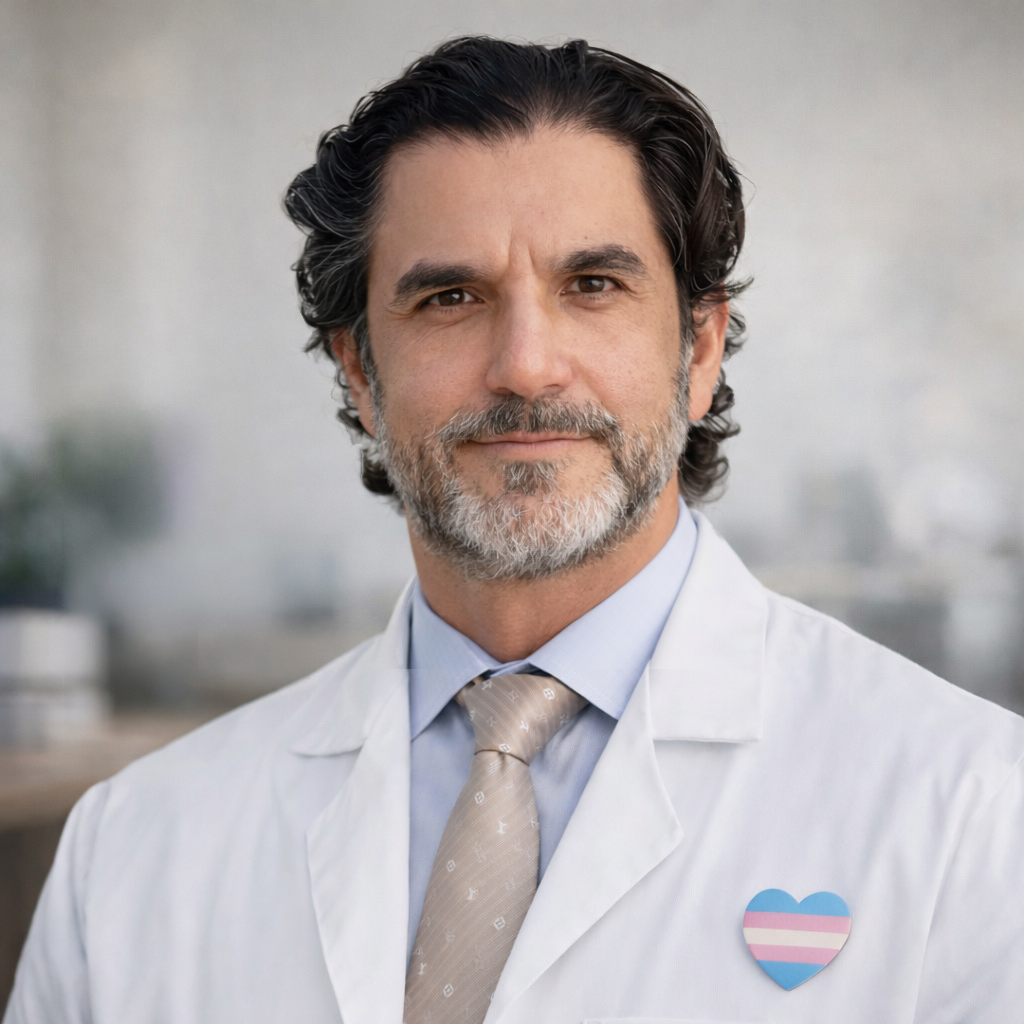
Why Choose Chrisalys for Contracture Treatment
Dr. Sayah’s comprehensive training at UCLA Medical Center includes extensive experience with complex breast revision surgery and capsular contracture management. His 26 years of surgical experience encompasses numerous successful contracture corrections. Patients consistently praise the soft, natural breast feel achieved and lasting relief from symptoms.
As a board-certified plastic surgeon and Fellow of the American College of Surgeons, Dr. Sayah maintains the highest standards of surgical excellence and patient safety. His extensive revision experience provides the specialized skills necessary for managing even severe contracture requiring comprehensive surgical intervention and reconstruction.
Our fully accredited surgery center in Beverly Hills features state-of-the-art equipment and maintains rigorous safety protocols appropriate for complex revision procedures. Patients throughout Los Angeles trust us for capsular contracture treatment that delivers soft, natural breasts, lasting symptom relief, and outcomes that restore satisfaction with breast augmentation results.
Meet Dr. David Sayah
Dr David Sayah is a board certified plastic surgeon in Beverly Hills known for his natural approach to aesthetic surgery. With more than 26 years of experience, he combines surgical precision with artistic insight to deliver balanced and refined results. His philosophy centers on enhancing individual beauty rather than changing it.
A graduate of the UCLA School of Medicine and a Fellow of the American College of Surgeons, Dr Sayah trained at leading medical centers including NYU and UCLA. His work in wound healing and scar formation research helps patients heal beautifully with minimal scarring. Fluent in five languages, he welcomes patients from Beverly Hills, Los Angeles, and across the world who seek exceptional, natural results.
Schedule Your Capsular Contracture Consultation in Beverly Hills
If you are experiencing breast hardness, distortion, or discomfort from capsular contracture, we offer expert evaluation and comprehensive treatment. Contact Chrisalys today to schedule your consultation. Dr. Sayah will explain how capsular contracture correction can restore the soft, natural breast feel you expected from augmentation and deserve to experience.