Significant ear deformities resulting from congenital abnormalities, traumatic injuries, cancer removal, or complications from previous surgery require specialized reconstructive expertise. These conditions affect both function and appearance. Dr. David N. Sayah, a board-certified plastic surgeon with over 26 years of experience, offers comprehensive reconstructive ear surgery to patients throughout Los Angeles and Beverly Hills.
His specialized training at UCLA Medical Center in both aesthetic and reconstructive plastic surgery, combined with his artistic background as an oil painter and sculptor, allows him to address even complex ear reconstruction challenges with exceptional skill. As a Fellow of the American College of Surgeons with extensive experience in facial reconstruction, Dr. Sayah delivers outcomes that restore ear structure, improve function when needed, and create results that enhance confidence and quality of life.
Dr. Sayah is an incredible doctor. He is kind, caring and very talented. Dr. Sayah has a beautiful office in Beverly Hills, but it is not intimidating in the least. He is unique in that he truly wants what is best for the patient. I have known him for over 15 years, and I have always been extremely impressed with his compassion, talent, and ethics. I will be a loyal patient for life and would be very comfortable recommending him to my friends and family without hesitation.

Understanding Ear Reconstruction
Reconstructive ear surgery encompasses a range of advanced procedures designed to rebuild, reshape, or restore ears affected by significant structural abnormalities, damage, or loss of tissue. Unlike cosmetic ear procedures that refine normal ear anatomy, reconstructive surgery addresses substantial defects. These may affect not only appearance but also hearing function, ability to wear glasses or hearing aids, and psychological wellbeing.
These complex procedures require intimate knowledge of ear anatomy, sophisticated surgical techniques, and often multiple stages to achieve optimal results. Dr. Sayah’s comprehensive training in reconstructive plastic surgery and his experience managing challenging cases position him to deliver excellent outcomes even in situations where other surgeons may not feel comfortable proceeding.
“Reconstructive ear surgery represents some of the most challenging and rewarding work in plastic surgery,” explains Dr. Sayah. “Whether rebuilding an ear after trauma or correcting a significant congenital deformity, the goal is always to create the most natural-appearing, functional ear possible while understanding that each case presents unique challenges requiring customized solutions.”
Conditions Requiring Reconstructive Ear Surgery
Patients seek reconstructive ear surgery to address a variety of complex conditions affecting ear structure, appearance, and sometimes function:
Complex Ear Conditions:
- Congenital Ear Deformities: Significant birth abnormalities including microtia (underdeveloped ear), anotia (absent ear), prominent structural irregularities, or complex cartilage malformations present from birth.
- Traumatic Injuries: Damage from accidents, animal bites, burns, or other trauma that has torn, crushed, or removed portions of the ear requiring surgical reconstruction.
- Cancer Reconstruction: Restoration of ear structure following surgical removal of skin cancer, basal cell carcinoma, squamous cell carcinoma, or melanoma affecting the ear tissue.
- Failed Previous Surgery: Correction of complications, poor outcomes, or unsatisfactory results from prior ear surgery performed elsewhere that require revision and reconstruction.
- Keloid or Scar Deformities: Excessive scar tissue formation that has distorted ear anatomy or created significant contour irregularities requiring surgical correction.
- Gauge Restoration: Reconstruction of severely stretched or damaged earlobes from large gauge piercings that cannot be addressed with simple repair due to extent of tissue loss.
- Burn Reconstruction: Restoration of ear structure following thermal injuries that have destroyed cartilage, skin, or both requiring grafting and complex reconstruction.
Advanced Surgical Techniques in Los Angeles
Dr. Sayah employs sophisticated reconstructive techniques tailored to each patient’s specific condition, extent of deformity, and reconstruction goals. The approach varies significantly based on what structures need restoration and how much healthy tissue remains available for reconstruction.
For cases involving significant tissue loss, reconstruction may require cartilage grafting using tissue harvested from the patient’s rib or other donor sites to rebuild the ear framework. Skin grafting or local tissue rearrangement provides coverage over reconstructed cartilage structures when insufficient skin remains in the affected area. Advanced flap techniques bring healthy tissue with its own blood supply from adjacent areas when local tissue quality is compromised.
Reconstructive Approach Considerations:
Tissue Loss Assessment
Extent of tissue loss and structures requiring reconstruction for optimal function and appearance.
Healthy Tissue Availability
Quality and availability of remaining healthy tissue in surrounding areas for reconstruction use.
Framework Reconstruction
Need for cartilage framework reconstruction versus soft tissue repair alone depending on defect.
Blood Supply Preservation
Blood supply preservation to ensure reconstructed tissues survive and heal properly.
Aesthetic Goals
Aesthetic goals balanced with realistic expectations given complexity of reconstruction challenges.
Staged Procedures
Potential need for staged procedures to achieve optimal final outcomes over time.
Dr. Sayah’s artistic background proves particularly valuable in reconstructive cases. Creating natural-appearing ear contours from damaged or absent tissue requires exceptional three-dimensional visualization skills. His experience as a sculptor informs his ability to envision the ideal ear shape and structure even when working with significantly compromised anatomy.
What to Expect During Ear Reconstruction Surgery
The specifics of your reconstructive ear surgery depend entirely on the complexity of your condition and the reconstruction approach required. Some cases can be addressed in a single procedure. Others require multiple staged surgeries spaced months apart to allow healing between stages and build upon previous reconstruction work.
We perform most reconstructive ear procedures under general anesthesia at Chrisalys’s fully accredited Beverly Hills surgery center. Surgery time ranges from two to six hours depending on complexity. For extensive reconstructions, particularly those involving cartilage grafting from the rib, a brief hospital stay may be recommended rather than outpatient surgery.
Dr. Sayah will discuss the anticipated surgical approach, number of stages likely needed, realistic timeline for reconstruction, and expected outcomes during your consultation. His honest, transparent communication style ensures you understand what reconstruction can realistically achieve given your specific circumstances.

Recovery After Reconstructive Ear Surgery
Recovery from reconstructive ear surgery varies significantly based on the extent and type of reconstruction performed. Generally, more extensive reconstructions involving cartilage grafting or complex tissue rearrangement require longer healing periods than simpler repairs.
General Recovery Expectations:
- First Week: Protective dressings remain in place to support reconstructed structures and promote optimal healing. Some discomfort, swelling, and drainage are normal depending on procedure extent. Pain medication helps manage discomfort during initial healing. Most patients remain relatively inactive during this period to avoid compromising the reconstruction.
- Weeks 2-4: Dressings are gradually reduced and sutures are removed as healing progresses. Swelling begins to subside and the reconstructed ear shape becomes more apparent. Activity restrictions continue to protect the healing reconstruction from trauma or excessive movement.
- Months 2-6: Continued refinement as swelling fully resolves and tissues mature into their final position. The reconstructed ear settles and scar tissue formation stabilizes. If staged procedures are planned, additional surgeries typically occur during this timeframe once adequate healing has occurred.
- Long-Term Results: Final reconstruction results emerge over six to twelve months as all healing completes and the ear achieves its permanent appearance. While reconstructed ears may not appear identical to unaffected ears, most patients experience significant improvement in both appearance and psychological wellbeing.
Staged Ear Reconstruction Approaches
Many complex ear reconstructions require multiple surgical stages to achieve optimal results. This staged approach allows tissues to heal between procedures and enables building upon previous reconstruction work systematically. For example, microtia reconstruction typically involves first harvesting rib cartilage and creating the ear framework. Then allowing months of healing before performing a second stage to position the ear away from the head and create projection.
While staged reconstruction extends the overall timeline, this approach often delivers superior final outcomes compared to attempting overly ambitious single-stage procedures. Dr. Sayah will explain whether staged reconstruction is necessary for your situation and outline the anticipated timeline during consultation.
Managing Expectations in Reconstructive Surgery
A critical aspect of reconstructive ear surgery involves establishing realistic expectations about achievable outcomes. While Dr. Sayah strives to create the most natural-appearing, symmetric, and functional ear possible, significant limitations may exist. These depend on the extent of original deformity, available tissue for reconstruction, and biological healing responses.
The goal of reconstruction is meaningful improvement rather than perfection. Creating an ear that appears reasonably normal from conversational distances. Allows comfortable wearing of glasses or hearing aids when needed. And provides psychological benefit by addressing significant deformity. Most patients find that even imperfect reconstruction creates substantial improvement in quality of life compared to living with severe ear abnormalities.
Combining Ear Reconstruction with Other Procedures
We may combine reconstructive ear surgery with other procedures when appropriate to address all concerns comprehensively. Scar revision techniques can improve the appearance of existing scars affecting the ear or surrounding areas. Skin resurfacing treatments may enhance skin texture and tone around reconstructed areas. Symmetry procedures on the opposite ear can create better balance when achieving perfect symmetry through reconstruction alone proves challenging.
Dr. Sayah evaluates each case individually to determine which combination of techniques will best achieve your reconstruction goals while maintaining realistic expectations about outcomes.

Frequently Asked Questions About Reconstructive Ear Surgery
-
The number of procedures required depends entirely on your specific condition and reconstruction needs. Some cases can be addressed in a single surgery, while complex reconstructions like microtia may require two to four staged procedures spaced several months apart to achieve optimal results.
-
While Dr. Sayah strives to create the most natural-appearing ear possible, reconstructed ears typically show some differences from unaffected ears. The goal is meaningful improvement that creates reasonably normal appearance from conversational distances rather than achieving perfection that may not be realistic given tissue limitations.
-
Some ear deformities affect hearing function, particularly those involving the ear canal or middle ear structures. While reconstructive surgery primarily addresses external ear appearance, Dr. Sayah works with otolaryngologists when hearing concerns exist to coordinate comprehensive care addressing both appearance and function.
-
As with any surgery, reconstructive ear procedures carry risks including infection, bleeding, poor wound healing, cartilage graft loss, asymmetry, need for revision surgery, and dissatisfaction with aesthetic outcomes. Dr. Sayah discusses all relevant risks during consultation and takes comprehensive measures to minimize complications.
-
Insurance often covers ear reconstruction for congenital deformities, traumatic injuries, or cancer reconstruction when deemed medically necessary. Coverage varies by plan and specific circumstances. Our practice can provide documentation to submit to your insurance company for consideration.
-
Final reconstruction results typically emerge over six to twelve months as all healing completes, swelling fully resolves, and tissues mature into their permanent position. For staged reconstructions, the complete process from initial surgery to final result may extend over one to two years.
Why Choose Chrisalys for Ear Reconstruction
Dr. Sayah’s comprehensive training in both aesthetic and reconstructive plastic surgery at UCLA Medical Center provides the specialized expertise necessary for managing complex ear reconstruction cases. His 26 years of surgical experience includes numerous challenging reconstructions requiring advanced techniques, creative problem-solving, and artistic vision to achieve meaningful improvement.
As a board-certified plastic surgeon and Fellow of the American College of Surgeons, Dr. Sayah maintains the highest standards of surgical excellence and patient safety. His artistic background as a sculptor provides unique insight into three-dimensional form essential for creating natural-appearing ear contours from compromised tissue.
Our fully accredited surgery center features state-of-the-art equipment and maintains rigorous safety protocols appropriate for complex reconstructive procedures. Patients throughout Los Angeles and Beverly Hills trust Dr. Sayah with their most challenging ear reconstruction needs. They know his commitment to achieving the best possible outcomes even in difficult situations.
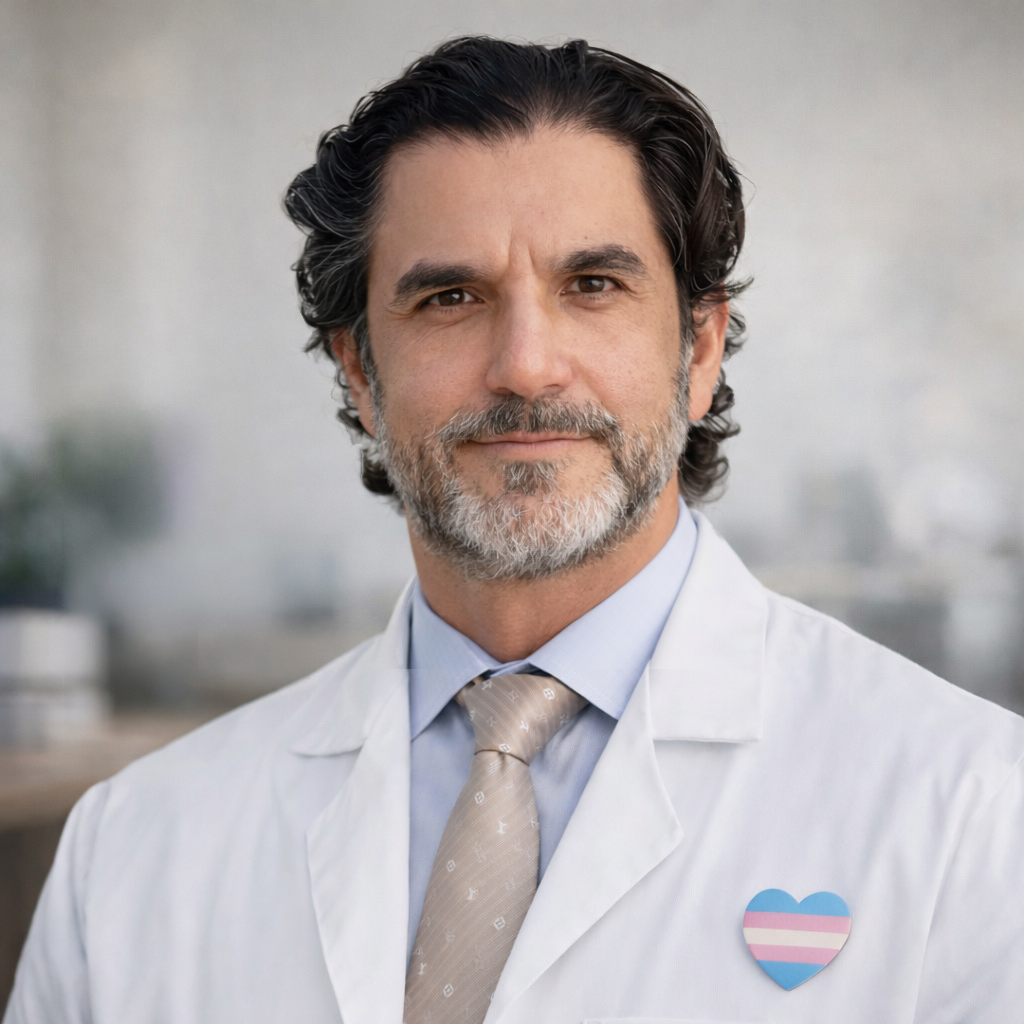
Meet Dr. David Sayah
Dr David Sayah is a board certified plastic surgeon in Beverly Hills known for his natural approach to aesthetic surgery. With more than 26 years of experience, he combines surgical precision with artistic insight to deliver balanced and refined results. His philosophy centers on enhancing individual beauty rather than changing it.
A graduate of the UCLA School of Medicine and a Fellow of the American College of Surgeons, Dr Sayah trained at leading medical centers including NYU and UCLA. His work in wound healing and scar formation research helps patients heal beautifully with minimal scarring. Fluent in five languages, he welcomes patients from Beverly Hills, Los Angeles, and across the world who seek exceptional, natural results.
Schedule Your Ear Reconstruction Consultation in Beverly Hills
If you or a loved one requires reconstructive ear surgery for congenital deformities, traumatic injury, or other significant ear concerns, Dr. Sayah offers the expertise and experience necessary to achieve meaningful improvement. Contact Chrisalys today to schedule your consultation and discover how advanced reconstructive techniques can help restore ear structure, improve appearance, and enhance quality of life.