Understanding insurance coverage for facial procedures can feel overwhelming. Determining which surgeries qualify as medically necessary versus purely cosmetic adds complexity. At Chrisalys, we help patients throughout Los Angeles and Beverly Hills navigate the insurance process for facial procedures that address functional concerns, congenital abnormalities, or reconstructive needs.
Dr. David N. Sayah is a board-certified plastic surgeon with over 26 years of experience. His extensive training at UCLA Medical Center and his status as a Fellow of the American College of Surgeons ensure comprehensive documentation and proper coding that support insurance claims for qualifying procedures. Our knowledgeable staff works directly with insurance providers to maximize coverage for medically necessary facial surgery. We provide transparent information about costs and payment options for all procedures.
Recently, I was very lucky, to have been referred to Dr. Sayah by my primary care physician, for breast reduction,. I was initially apprehensive, but after my first appointment, talking with Dr Sayah I was amazed at how much time he took to answer all my questions. Safety and the comfort of the patient was his primary consideration. Jesse and Trevana were instrumental in making sure all the necessary forms and procedures were done prior to surgery. The post-op visit again reaffirmed what an excellent surgeon, and caring physician Dr. Sayah turned out to be. I recommend Dr Sayah’s and his staff very strongly!!

Understanding Medical Necessity in Facial Surgery
Insurance companies generally cover facial procedures deemed medically necessary. This means surgery addresses a functional impairment, corrects a congenital abnormality, or reconstructs damage from trauma or disease rather than purely enhancing appearance. The distinction between cosmetic and reconstructive surgery sometimes appears clear. Other situations involve both functional and aesthetic components requiring careful documentation and communication with insurance providers.
Medical necessity typically requires objective documentation:
- Visual field testing for eyelid surgery
- Breathing function tests for nasal procedures
- Photographic evidence of deformities or trauma
- Medical records documenting chronic symptoms or conditions
- Physician statements explaining functional impairment requiring surgical correction
We provide comprehensive documentation supporting insurance claims for all qualifying procedures. We work to maximize coverage while ensuring patients understand which aspects of their care may or may not receive insurance reimbursement.
Documentation Requirements for Insurance Coverage
Successful insurance claims for facial surgery require comprehensive documentation demonstrating medical necessity through objective evidence and thorough medical records.
- Objective Testing: Quantifiable data supports medical necessity claims. Visual field testing for eyelid surgery shows specific degrees of impairment. Breathing function tests measure nasal obstruction severity. Photographic documentation shows deformities or functional concerns. Standardized questionnaires assess quality of life impact from conditions. All strengthen insurance claims by providing objective evidence of medical necessity.
- Medical History Documentation: Thorough records establish the condition’s impact and conservative treatment attempts. Documentation of chronic symptoms over appropriate timeframes. Records of conservative treatments attempted without success. Physician notes describing functional limitations. Progression of symptoms or conditions over time. All support claims by demonstrating ongoing medical concerns requiring surgical correction rather than elective enhancement.
- Physician Statements: Detailed explanations from Dr. Sayah support medical necessity determinations. Description of specific functional impairment requiring correction. Explanation of how surgery will address medical concerns. Discussion of alternative treatments considered or attempted. Clear statement of medical necessity for proposed surgical intervention. All help insurance reviewers understand why surgery represents appropriate medical care rather than optional cosmetic enhancement.
- Photographic Evidence: Visual documentation strengthens claims for many conditions. Pre-operative photos show deformities or functional concerns. Documentation of progressive worsening over time. Comparison photos demonstrate severity relative to normal anatomy. Comprehensive views from multiple angles. All provide reviewers with clear visual evidence supporting medical necessity claims beyond subjective patient complaints.
The Insurance Review Process in Los Angeles
Understanding how insurance companies evaluate claims helps patients navigate the approval process effectively and set realistic expectations about coverage and timing.
- Pre-Authorization Requirements: Most insurance plans require approval before surgery. Submission of documentation supporting medical necessity. Review period typically 2-4 weeks for standard cases. Potential for expedited review in urgent situations. Possible denial requiring appeals process or additional documentation. All represent normal aspects of insurance review requiring patience and thorough communication between patient, our office, and insurance provider.
- Coverage Determinations: Insurance companies make decisions based on specific criteria. Application of medical necessity guidelines established by each plan. Review by medical directors or specialists in relevant fields. Consideration of coverage limitations or exclusions in individual policies. Final determination of covered versus non-covered aspects of proposed surgery. All affect ultimate coverage decisions requiring understanding that approval may be partial rather than complete for some procedures.
- Appeal Options: Initial denials do not necessarily represent final decisions. Submission of additional documentation addressing denial reasons. Peer-to-peer review between Dr. Sayah and insurance medical director. Escalation through multiple appeal levels when appropriate. External review options when internal appeals exhaust. All provide avenues for challenging denials when substantial medical necessity exists but initial review failed to recognize it fully.

Commonly Covered Facial Procedures
Several facial procedures frequently qualify for insurance coverage when performed to address medical conditions rather than purely cosmetic concerns.
- Septoplasty and Turbinate Reduction: Breathing difficulties from deviated septum or enlarged turbinates typically receive insurance coverage. Septoplasty straightens severely deviated septum obstructing airways. Turbinate reduction decreases enlarged structures blocking nasal passages. Functional rhinoplasty addresses breathing impairment alongside structural concerns. Revision septoplasty corrects inadequate previous surgery still causing obstruction. All generally qualify for coverage when proper documentation demonstrates medical necessity.
- Upper Blepharoplasty for Vision Obstruction: Eyelid surgery receives coverage when excessive upper lid skin impairs vision. Visual field testing documents peripheral vision loss from drooping lids. Photographic evidence shows eyelid skin hanging over lashes. Documentation of functional limitations in daily activities. Surgical correction removes excess skin restoring normal vision. These typically qualify when testing meets insurance thresholds requiring specific degrees of vision impairment.
- Nasal Fracture Reconstruction: Traumatic nasal injuries requiring structural correction generally receive coverage. Acute fracture reduction performed shortly after injury. Delayed reconstruction addresses malunion or chronic symptoms. Correction of breathing difficulties from improperly healed fractures. Restoration of normal nasal contours and function following trauma. All typically qualify as medically necessary requiring proper documentation of injury and functional impairment.
- Cleft Lip and Palate Repair: Congenital cleft deformities consistently receive insurance coverage. Initial repair in infancy or childhood establishes basic function. Revision surgery improves speech, eating, or breathing function. Comprehensive reconstruction addresses residual deformities. Orthodontic or speech therapy coordination as part of complete treatment. These typically qualify with proper documentation from multidisciplinary treatment team.
- Skin Cancer Reconstruction: Facial reconstruction following skin cancer removal receives coverage. Excision of basal cell carcinoma, squamous cell carcinoma, or melanoma. Reconstruction using local flaps, skin grafts, or other techniques. Revision of inadequate margins requiring additional tissue removal. Comprehensive reconstruction restoring normal appearance and function after cancer treatment. All generally qualify as medically necessary extensions of cancer care.
- Congenital Ear Deformities: Significant ear abnormalities present from birth often receive coverage. Microtia reconstruction creates ear structure when absent or severely underdeveloped. Prominent ear correction when severe. Reconstruction of other congenital malformations. Comprehensive treatment addresses both form and function. These typically qualify when documentation demonstrates substantial deformity rather than minor cosmetic concerns.
- Facial Trauma Reconstruction: Severe injuries requiring facial reconstruction generally receive coverage. Laceration repair following accidents or trauma. Complex wound management with skin grafts or flaps. Facial fracture treatment restoring normal structure. Scar revision addresses disfiguring scars from trauma. All typically qualify with proper documentation of injury mechanism and functional impairment or disfigurement.

Combination Procedures and Coverage Limitations
When procedures combine medically necessary and purely cosmetic components, understanding coverage becomes more complex. This requires clear communication about which aspects insurance will cover.
- Functional and Cosmetic Components: Many procedures address both medical and aesthetic concerns. Septoplasty for breathing (covered) combined with cosmetic rhinoplasty (not covered). Upper blepharoplasty for vision (covered) with lower blepharoplasty for bags (not covered). Post-trauma reconstruction (covered) with aesthetic refinement beyond medical necessity (not covered). All represent common scenarios requiring transparent cost discussions ensuring patients understand their financial responsibility for non-covered aspects while insurance addresses medically necessary components.
- Coverage for Necessary Components Only: Insurance typically pays only for the medically necessary portions. Separate billing for covered and non-covered aspects of surgery. Patient responsibility for cosmetic enhancements beyond medical need. Clear cost estimates before surgery for all components. Understanding that insurance approval does not necessarily mean complete cost coverage. All help patients make informed decisions about pursuing combined procedures balancing medical needs with aesthetic goals.
Working With Chrisalys on Insurance Coverage
We provide comprehensive support helping patients navigate insurance coverage for qualifying facial procedures throughout Los Angeles and Beverly Hills.
- Pre-Consultation Insurance Verification: We can verify coverage before consultation. Confirmation of facial surgery benefits in your insurance plan. Determination of pre-authorization requirements specific to your carrier. Identification of deductibles, copays, and out-of-pocket maximums. Preliminary assessment of likely coverage for your specific concerns. All help patients understand their insurance situation before investing time and consultation fees.
- Comprehensive Documentation Support: We provide thorough documentation for claims. Detailed operative reports and procedure coding. Medical necessity statements and supporting records. Coordination with primary care physicians when needed. Submission of all required documentation to insurance carriers. All ensure claims receive proper consideration with complete information supporting medical necessity determination.
- Appeals Assistance: We help with denied claims when appropriate. Review of denial reasons and determination of appeal merit. Submission of additional supporting documentation. Peer-to-peer discussions between Dr. Sayah and insurance reviewers. Guidance through the appeals process when substantial medical necessity exists. All demonstrate commitment to helping patients access covered benefits for truly necessary procedures.
- Transparent Cost Information: Clear communication about costs helps patients plan. Accurate estimates for both covered and non-covered components. Discussion of payment options for patient responsibility portions. Coordination of benefits when multiple insurance plans exist. Honest guidance about realistic coverage expectations. All ensure patients make informed decisions without unexpected financial surprises after surgery.
Patient Responsibility and Payment Options
Even with insurance coverage, patients typically have financial responsibility requiring understanding and planning for out-of-pocket costs.
- Common Patient Costs: Several expenses may not be covered even when surgery receives approval. Deductibles that must be met before insurance pays. Copayments or coinsurance for covered services. Non-covered cosmetic components of combined procedures. Pre-operative consultations or testing not covered by plans. All represent potential patient expenses requiring advance planning and discussion before scheduling surgery.
- Payment Options: We offer various payment methods. Cash, check, or credit card payment for patient responsibility portions. Healthcare financing through CareCredit or similar programs. Payment plans in some circumstances. Coordination with HSA or FSA accounts for eligible expenses. All provide flexibility helping patients access needed procedures without undue financial hardship.

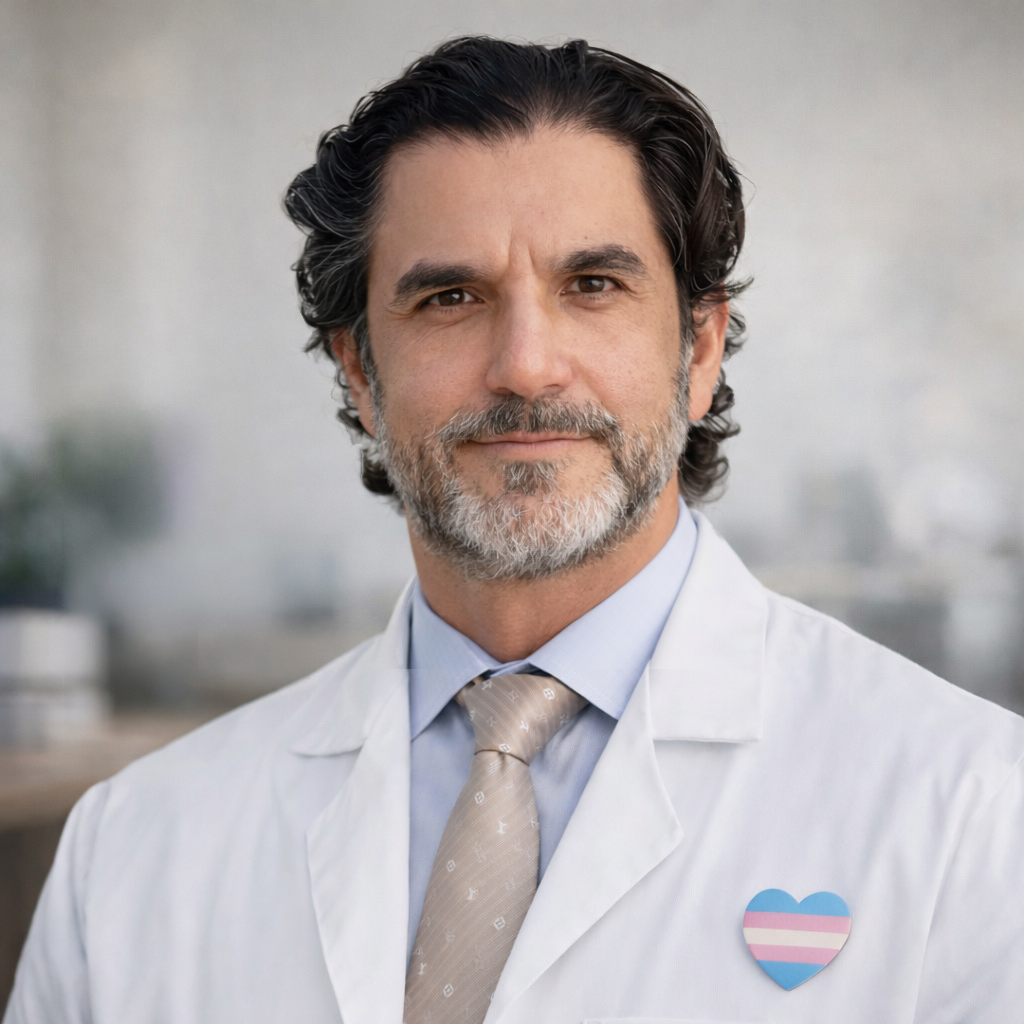
Meet Dr. David Sayah
Dr David Sayah is a board certified plastic surgeon in Beverly Hills known for his natural approach to aesthetic surgery. With more than 26 years of experience, he combines surgical precision with artistic insight to deliver balanced and refined results. His philosophy centers on enhancing individual beauty rather than changing it.
A graduate of the UCLA School of Medicine and a Fellow of the American College of Surgeons, Dr Sayah trained at leading medical centers including NYU and UCLA. His work in wound healing and scar formation research helps patients heal beautifully with minimal scarring. Fluent in five languages, he welcomes patients from Beverly Hills, Los Angeles, and across the world who seek exceptional, natural results.
Schedule Your Insurance Consultation in Beverly Hills
If you are considering facial surgery that may qualify for insurance coverage, contact us to discuss your specific situation and begin the evaluation process. Our experienced team will help determine whether your concerns meet medical necessity criteria, provide guidance about documentation requirements, and work with your insurance provider to maximize coverage for qualifying procedures.
Call us to schedule your consultation and learn more about insurance coverage options for your facial surgery needs in Los Angeles. We look forward to helping you navigate the insurance process and access the care you need.