Male pattern baldness affects approximately 50% of men by age 50, progressively thinning hair and receding hairlines that undermine confidence and age appearance prematurely. While topical treatments and medications provide modest results for some men, hair transplantation remains the only permanent solution that restores natural hair growth in areas affected by genetic hair loss. Modern transplant techniques create undetectable, natural-looking results that allow men to regain the fuller hairline and density they desire.
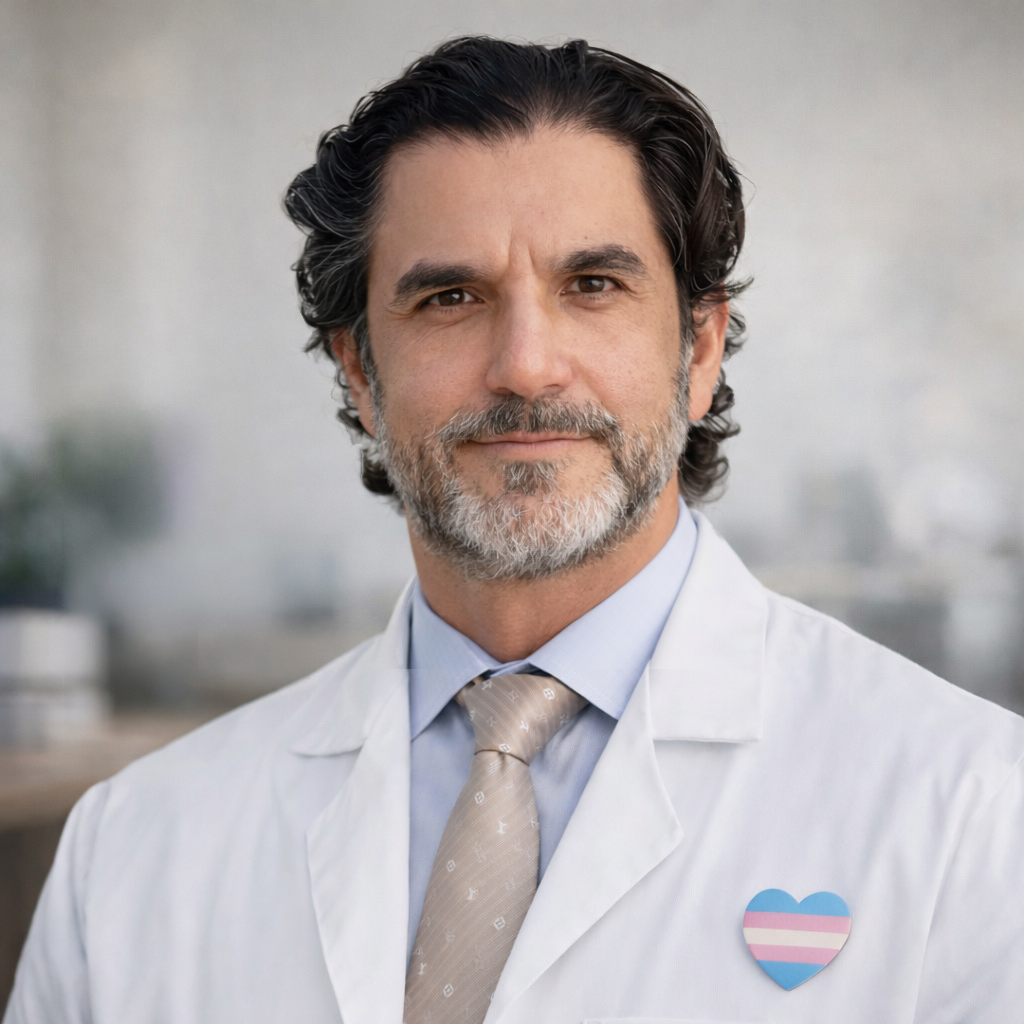
Dr. David N. Sayah, a board-certified plastic surgeon with over 26 years of experience, brings specialized surgical expertise to hair restoration for patients throughout Los Angeles and Beverly Hills. His extensive training at UCLA Medical Center, fellowship in the American College of Surgeons, and meticulous attention to surgical detail ensure natural-looking results with optimal hair survival rates.
“Hair loss significantly impacts men’s confidence and how they perceive themselves professionally and personally,” explains Dr. Sayah. “Modern hair transplantation has evolved dramatically, allowing us to create completely natural results that are undetectable even upon close inspection. The key lies in meticulous technique, artistic hairline design, and understanding the natural growth patterns that make restored hair indistinguishable from your original hair. My surgical precision and experience ensure excellent graft survival and natural aesthetic outcomes.”
Dr. Sayah is an incredible doctor. He is kind, caring and very talented. Dr. Sayah has a beautiful office in Beverly Hills, but it is not intimidating in the least. He is unique in that he truly wants what is best for the patient. I have known him for over 15 years, and I have always been extremely impressed with his compassion, talent, and ethics. I will be a loyal patient for life and would be very comfortable recommending him to my friends and family without hesitation.
Understanding Male Pattern Hair Loss
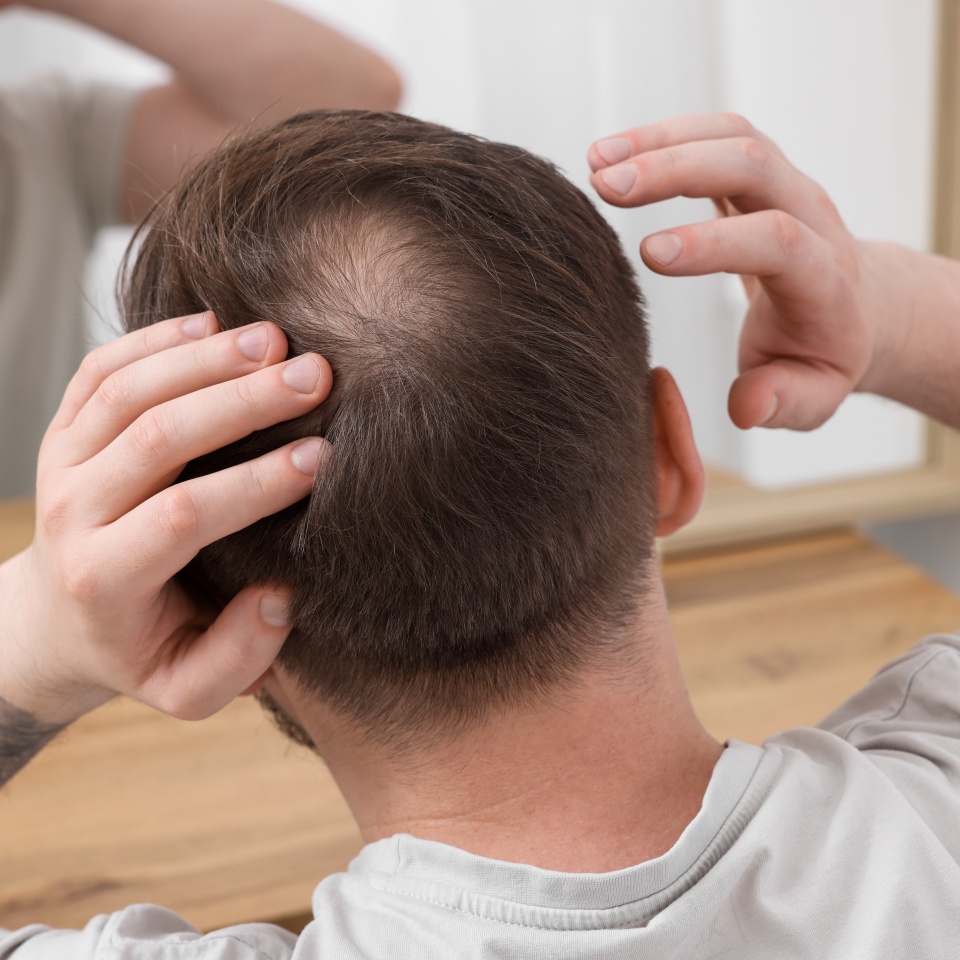
Male pattern baldness, medically termed androgenetic alopecia, follows predictable patterns of hair loss determined by genetic sensitivity to dihydrotestosterone (DHT). This hormone causes susceptible hair follicles to progressively miniaturize and eventually stop producing terminal hair.
The process typically begins with receding temporal hairline and vertex thinning, progressively advancing until only the permanent horseshoe pattern of hair remains on the sides and back of the scalp.
These DHT-resistant follicles in the donor area maintain their genetic resistance when transplanted to balding areas, continuing to grow permanently in their new location. This biological principle makes hair transplantation a permanent solution–transplanted follicles don’t succumb to the same DHT effects that caused original hair loss. Understanding this allows realistic planning for current restoration and future hair loss progression.
Modern Hair Transplant Techniques
Advanced transplantation methods have revolutionized hair restoration, creating natural results impossible with older techniques:
Follicular Unit Extraction (FUE)
FUE represents the gold standard in modern hair transplantation, harvesting individual follicular units directly from the donor area without linear incisions. Using specialized micro-punches typically 0.8-1.0mm in diameter, individual follicles or small naturally-occurring groups are extracted from throughout the donor zone. This creates tiny puncture wounds that heal quickly without visible scarring, allowing patients to wear short hairstyles without evidence of surgery.
FUE Advantages:
- No linear scar at donor site
- Minimal post-operative discomfort
- Faster healing and recovery
- Ability to wear hair very short
- Can harvest from body hair if needed
- Natural-looking distribution of donor sites
Follicular Unit Transplantation (FUT)
FUT, also called strip harvesting, removes a thin strip of hair-bearing scalp from the donor area, which is then dissected into individual follicular units under microscopic magnification. While this creates a linear scar, it allows harvesting maximum grafts in single session and often provides superior graft quality. The scar typically heals as a thin line easily concealed by surrounding hair.
FUT Advantages:
- Maximum graft yield per session
- Excellent follicle quality and survival
- Cost-effective for large sessions
- Preserves remaining donor area
- Proven long-term results
Artistic Hairline Design
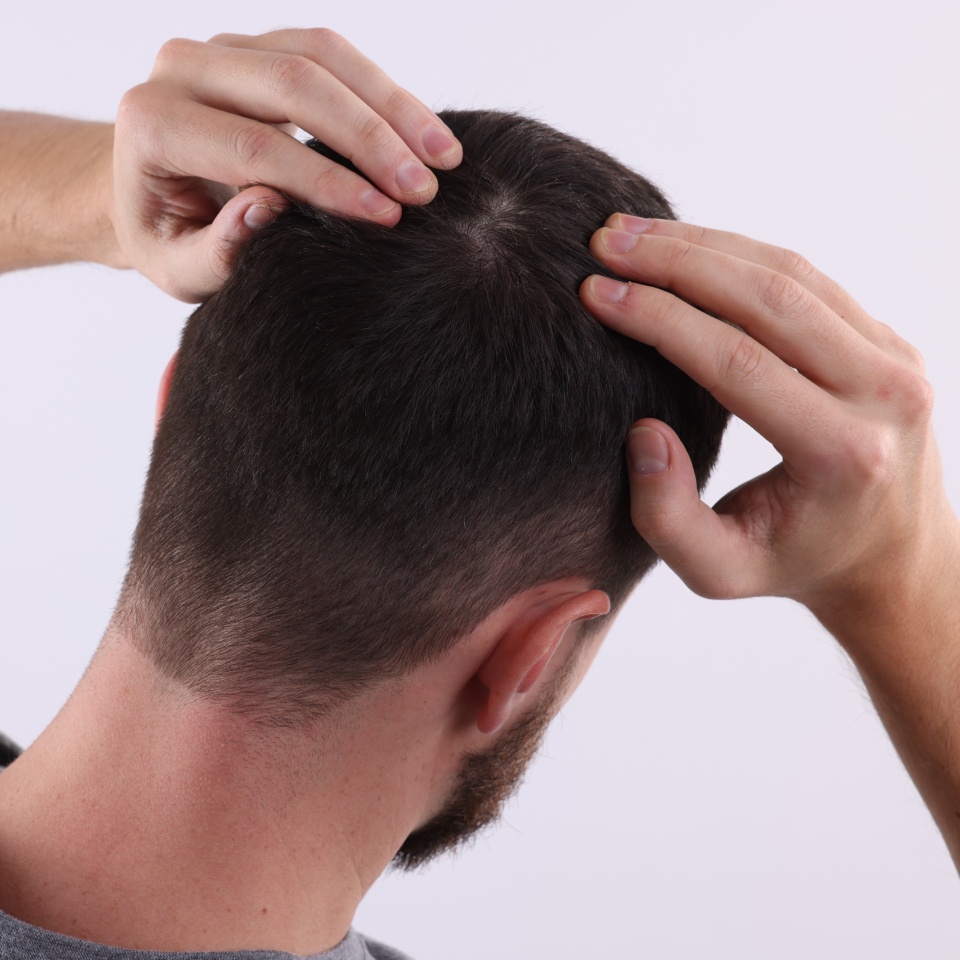
Creating natural-looking hairlines requires artistic sensibility and understanding of age-appropriate design. Hairlines should not be perfectly straight or symmetrical–natural irregularity with appropriate recession at temples creates authentic appearance. Height and shape must be age-appropriate, avoiding overly juvenile hairlines that appear unnatural. Single hair grafts placed at the very front create soft, feathered transition rather than obvious pluggy appearance.
The Hair Transplant Process
Hair restoration follows systematic approach ensuring optimal results:
- Consultation and Planning: Comprehensive evaluation assesses hair loss pattern, donor density, and realistic expectations. Hairline design considers facial proportions, age, and future hair loss progression. The treatment plan determines graft numbers needed and optimal technique selection.
- Donor Area Preparation: For FUE, donor area is trimmed short allowing individual follicle visualization. For FUT, only the strip area requires trimming. Local anesthesia ensures complete comfort throughout procedure.
- Graft Harvesting: Individual follicles extracted throughout donor zone (FUE) or strip removed and dissected into individual units (FUT). Grafts are carefully handled and stored in chilled solution maintaining viability.
- Recipient Site Creation: Thousands of tiny recipient sites are created at precise angles, depths, and densities matching natural hair growth patterns. Strategic placement creates natural-looking distribution and maximum aesthetic impact.
- Graft Placement: Each follicular unit is meticulously placed into prepared sites using specialized instruments. Single-hair grafts at hairline, multi-hair units behind for density. Careful handling ensures excellent survival rates.
Procedures typically take 4-8 hours depending on graft numbers. Most patients find the process surprisingly comfortable with local anesthesia and optional light sedation.
Recovery and Results Timeline
Hair transplant recovery proves remarkably comfortable with modern techniques. Initial days involve mild swelling and slight discomfort easily managed with medication. Small scabs form at recipient sites, typically shedding within 7-10 days. Most men return to desk work within 2-3 days, avoiding strenuous activity for one week.
Transplanted hairs shed within 2-3 weeks–this is normal and expected. Follicles enter dormant phase before producing new growth. New hair growth typically begins at 3-4 months post-procedure, with progressive thickening over subsequent months. Significant improvement becomes apparent by 6-8 months. Final results emerge at 12-15 months when all transplanted follicles have cycled into active growth phase and achieved full density.
Candidate Evaluation for Permanent Hair Restoration
Ideal hair transplant candidates have sufficient donor hair density, realistic expectations about achievable results, stable hair loss or established pattern allowing appropriate planning, good overall health supporting healing and graft survival, and commitment to potential future sessions as natural hair loss progresses.
Men with diffuse unpatterned alopecia, inadequate donor supply, unrealistic expectations, or certain medical conditions may not be suitable candidates. Comprehensive consultation determines candidacy and optimal approach.
Frequently Asked Questions About Hair Transplant
-
Local anesthesia ensures the procedure itself is comfortable. Most men report minimal discomfort during and after surgery. Any soreness post-procedure is mild and easily managed with over-the-counter medication. Modern techniques have made hair transplantation remarkably comfortable.
-
When performed by experienced surgeon with artistic sensibility, modern hair transplantation creates completely natural results. Meticulous technique, appropriate hairline design, and strategic graft placement make restored hair undetectable even upon close examination. Results should appear as natural hair growth rather than obvious transplantation.
-
Graft requirements vary based on extent of hair loss, desired density, and donor availability. Typical sessions range from 1,000-3,000 grafts. Extensive baldness may require multiple sessions totaling 4,000-6,000+ grafts. Dr. Sayah provides specific recommendations based on your individual assessment.
-
Yes, FUE’s primary advantage is allowing very short hairstyles without visible scarring. Individual extraction sites heal as tiny dots scattered throughout donor area, virtually imperceptible even with hair buzzed very short. FUT creates linear scar requiring slightly longer hair for concealment.
-
Some patients achieve desired results with single session. Others require 2-3 procedures for optimal density or to address progressive hair loss over time. Initial consultation and long-term planning determine likely session requirements for your specific goals.
-
Most men return to desk work within 2-3 days. Strenuous exercise should be avoided for 7-10 days. Normal shampooing can resume after about one week. Full normal activities typically resume within two weeks post-procedure.
Why Choose Chrisalys for Hair Restoration in Beverly Hills
Specialized Expertise:
- Board-certified plastic surgeon with 26+ years surgical experience
- Fellowship-trained with meticulous microsurgical technique
- Artistic background providing unique understanding of natural hairline design
- Proven track record of excellent graft survival and natural results
Comprehensive Care:
- Advanced FUE and FUT techniques tailored to individual needs
- Thorough evaluation and realistic expectation setting
- Customized planning considering future hair loss progression
- Boutique practice offering personalized attention throughout process
Patients throughout Los Angeles trust Chrisalys for hair transplantation that delivers natural, permanent restoration through expert surgical care at our Beverly Hills facility.
Meet Dr. David Sayah
Dr David Sayah is a board certified plastic surgeon in Beverly Hills known for his natural approach to aesthetic surgery. With more than 26 years of experience, he combines surgical precision with artistic insight to deliver balanced and refined results. His philosophy centers on enhancing individual beauty rather than changing it.
A graduate of the UCLA School of Medicine and a Fellow of the American College of Surgeons, Dr Sayah trained at leading medical centers including NYU and UCLA. His work in wound healing and scar formation research helps patients heal beautifully with minimal scarring. Fluent in five languages, he welcomes patients from Beverly Hills, Los Angeles, and across the world who seek exceptional, natural results.
Schedule Your Hair Restoration Consultation in Los Angeles
Discover how modern hair transplantation can restore your hairline, increase density, and help you regain the confidence that hair loss has diminished. Contact Chrisalys today to schedule your consultation with Dr. Sayah.
During your visit, we’ll evaluate your hair loss pattern, assess donor availability, and create a personalized restoration plan designed to deliver natural, lasting results through expert hair transplantation in Beverly Hills.